Standby vs Line-Interactive vs Online UPS: Which Do You Need?
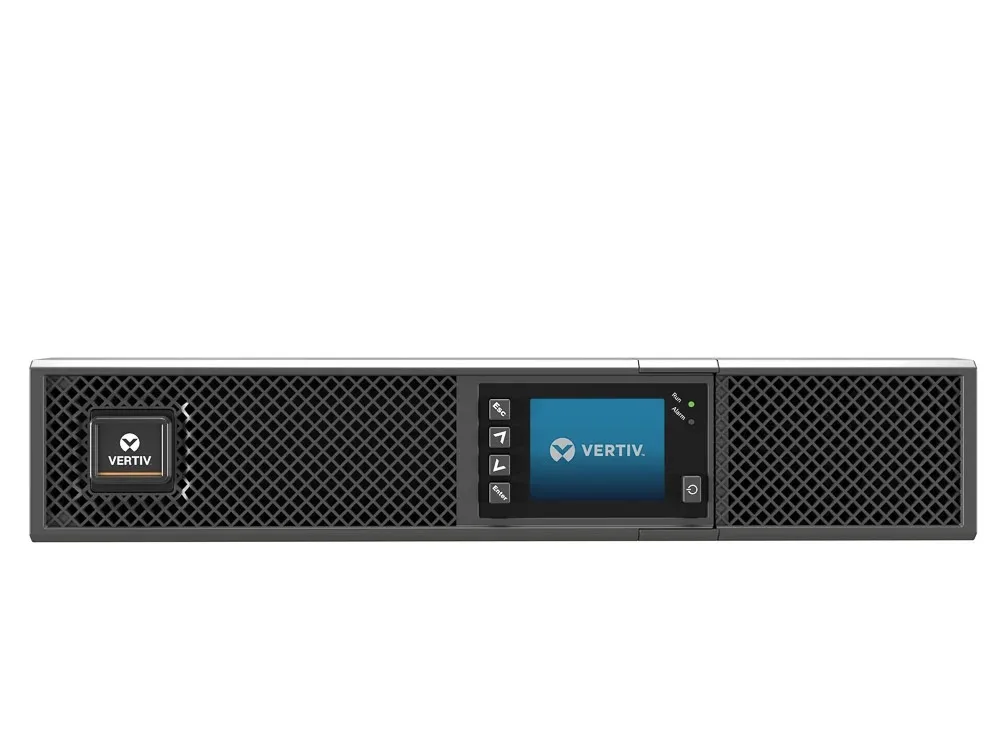
The three main UPS topologies differ in how they protect the load. A standby UPS passes utility power through and switches to battery during an outage, a line-interactive UPS adds automatic voltage regulation to correct sags and swells without using the battery, and an online (double-conversion) UPS continuously regenerates clean power with zero transfer time. Standby suits basic loads, line-interactive suits servers and network gear, and online suits the most critical or sensitive equipment.
What We Provide
Related Solutions
Single-Phase UPS Selection
For servers and edge sites, we match line-interactive or online single-phase units to your load sensitivity and runtime.
Learn moreOnline Three-Phase Systems
For data centers, online double-conversion three-phase systems provide the highest protection for critical loads.
Learn moreSizing and Runtime
Whatever the topology, we size the UPS and battery runtime to your load and bridge-to-generator requirement.
Learn moreMatch Topology to Risk
Pay for the Protection Your Load Actually Needs
Higher protection costs more, so the goal is to match topology to the criticality and sensitivity of the load. Over-specifying wastes money; under-specifying risks equipment and uptime.
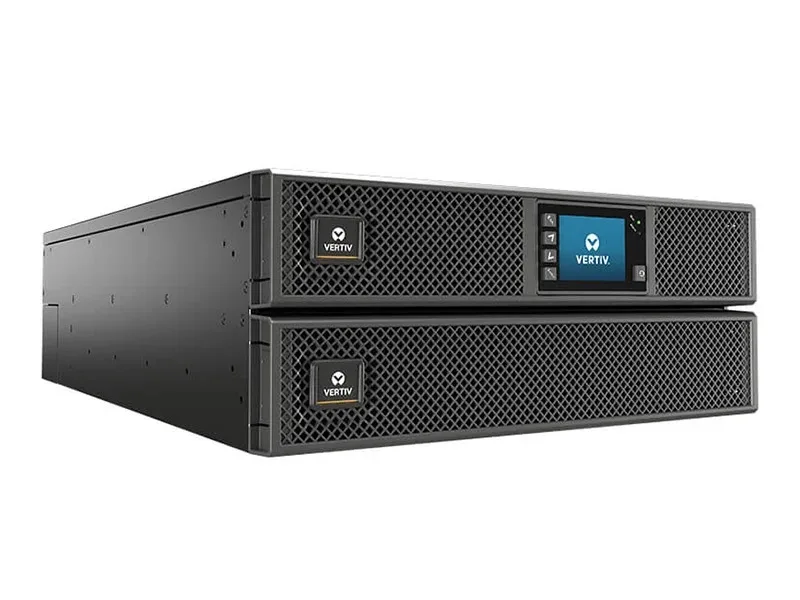
Comp-Utility evaluates your load, power quality, and tolerance for disturbances, then recommends the topology and model that fit, across Eaton, Schneider Electric, and Vertiv.
The Comp-Utility Difference
Why Comp-Utility?
Engineer-Owned and Operated
Comp-Utility is owned and operated by engineers, with licensed Texas Professional Engineers (P.E.) on staff. That rigor anchors every design, specification, and installation.
Long-Standing Distribution Partner
As a long-standing distribution partner of Eaton, Schneider Electric, and Vertiv, we specify best-in-class systems and back them with factory-grade service.
Trusted Since 1992
We have designed, installed, and maintained mission-critical power and cooling infrastructure across Central Texas since 1992, through every generation of the technology.
Turnkey, Single-Contract Partner
We sell, design, install, and maintain complete infrastructure end to end. One accountable team and one contract for power, cooling, distribution, and cabling.
Licensed, Certified & Recognized
We hold ourselves to the standards of the institutions we serve, from professional licensure and jobsite safety to the industry organizations that set the bar for mission-critical work.

Licensed Professional Engineers
State of Texas (TBPE)
OSHA 30 Certified
Field Technicians
AFCOM Member
Data center industry association

7x24 Exchange Member
Mission-critical infrastructure
Frequently Asked Questions
What is a standby UPS?
A standby (offline) UPS passes utility power straight to the load during normal operation and switches to its battery and inverter when power fails or drops out of range. The brief transfer time is acceptable for basic loads like workstations and point-of-sale systems. It is the simplest and least expensive topology but offers the least conditioning.
What is a line-interactive UPS?
A line-interactive UPS adds automatic voltage regulation (AVR), which corrects sags and swells by adjusting voltage without drawing on the battery. This conditions power for common disturbances and preserves battery life, making it well suited to servers, network closets, and small server rooms. It still has a brief transfer time during a full outage.
What is an online (double-conversion) UPS?
An online UPS continuously converts incoming AC to DC and back to clean AC, so the load always runs on regenerated power with zero transfer time. It fully isolates equipment from utility disturbances, providing the highest level of protection. Online topology is standard for data centers, healthcare, and other sensitive or mission-critical loads.
Which UPS topology do I need?
Choose standby for basic, non-critical loads; line-interactive for servers and network equipment with moderate sensitivity; and online double-conversion for sensitive or mission-critical loads that cannot tolerate any disturbance. The right choice balances protection against cost. Comp-Utility evaluates your load and power conditions to recommend the appropriate topology.
Is an online UPS always the best choice?
Not always. Online UPS systems provide the best protection but cost more and historically ran at lower efficiency, though modern high-efficiency modes have narrowed that gap. For loads that tolerate brief transfers, a line-interactive unit may be the better value. The best choice depends on load sensitivity, criticality, and budget, which Comp-Utility helps weigh.
Does topology affect efficiency?
Historically, standby and line-interactive units were more efficient than online systems because they did not continuously convert power. Modern online UPS systems offer high-efficiency modes (such as eco or energy-saver modes) that close much of that gap while still providing fast protection. Comp-Utility factors efficiency into the topology and model recommendation.
Can I mix topologies across my facility?
Yes, and many facilities do. Critical data center loads run on online three-phase systems, while less critical distributed equipment uses line-interactive units. Standardizing within tiers of criticality simplifies maintenance. Comp-Utility can design and service a mixed fleet under one vendor-agnostic maintenance contract across Central Texas.
Who can help me choose and source the right UPS?
Comp-Utility, a long-standing distribution partner of Eaton, Schneider Electric, and Vertiv, helps you select the right topology and model, sizes the system and runtime, and installs and maintains it across Central Texas. Call (512) 346-0999 or email sales@comp-utility.com for guidance tailored to your load.
My UPS is in alarm, what do I do?
Call Comp-Utility right away at (512) 346-0999, and have the unit's model and serial number ready along with any alarm codes or messages shown on the UPS display. A unit in alarm can indicate a battery, load, or power-path issue that needs prompt attention. Because we maintain a large base of units under contract with the major UPS manufacturers, we can escalate directly to the right factory resources and coordinate service faster and more directly than a single end user calling general support, often getting you answers and a technician on site sooner.