Modular vs Monolithic UPS: Pros and Cons
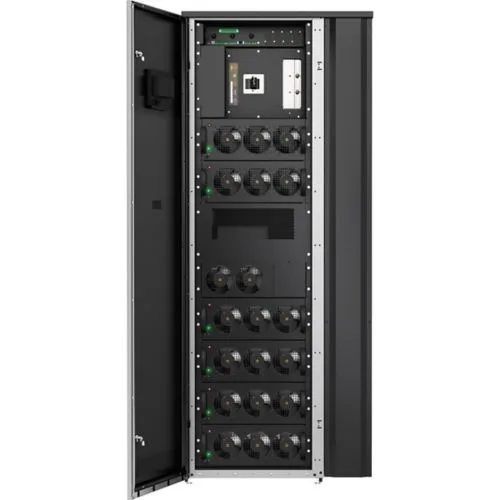
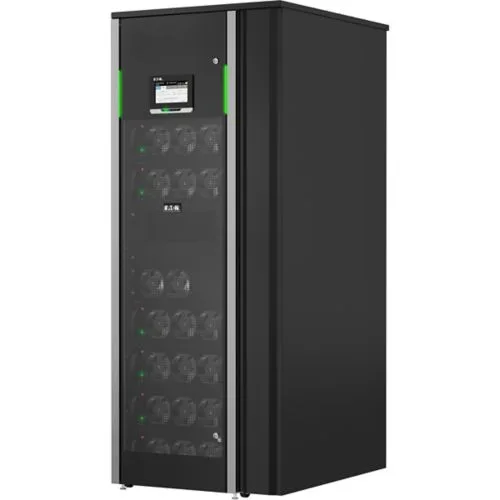
A modular UPS is built from hot-swappable power modules, so capacity and N+1 redundancy can be added incrementally and a module can be serviced without dropping the load. A monolithic UPS is a single fixed-capacity unit, often lower in upfront cost but less flexible. Modular suits facilities expecting growth or needing high availability, while monolithic can fit stable, well-defined loads.
What We Provide
Related Solutions
Modular Three-Phase Systems
Modular platforms scale capacity and redundancy with hot-swap modules for data centers that grow.
Learn moreRedundancy Design
We design N+1 or 2N redundancy appropriate to your tier and uptime goals, whichever architecture you choose.
Learn moreSizing and Growth Planning
We size the system for today and plan headroom so capacity tracks your actual demand.
Learn moreFlexibility vs Simplicity
Match the Architecture to Your Growth and Uptime Goals
Modular systems win on scalability, serviceability, and incremental redundancy, which matters when load is uncertain or availability is critical. Monolithic systems can be simpler and lower in initial cost for stable loads.
Comp-Utility models your load, growth, and uptime target, then recommends the architecture and product that deliver the best long-term value.
The Comp-Utility Difference
Why Comp-Utility?
Engineer-Owned and Operated
Comp-Utility is owned and operated by engineers, with licensed Texas Professional Engineers (P.E.) on staff. That rigor anchors every design, specification, and installation.
Long-Standing Distribution Partner
As a long-standing distribution partner of Eaton, Schneider Electric, and Vertiv, we specify best-in-class systems and back them with factory-grade service.
Trusted Since 1992
We have designed, installed, and maintained mission-critical power and cooling infrastructure across Central Texas since 1992, through every generation of the technology.
Turnkey, Single-Contract Partner
We sell, design, install, and maintain complete infrastructure end to end. One accountable team and one contract for power, cooling, distribution, and cabling.
Licensed, Certified & Recognized
We hold ourselves to the standards of the institutions we serve, from professional licensure and jobsite safety to the industry organizations that set the bar for mission-critical work.

Licensed Professional Engineers
State of Texas (TBPE)
OSHA 30 Certified
Field Technicians

AFCOM Member
Data center industry association

7x24 Exchange Member
Mission-critical infrastructure
Frequently Asked Questions
What is a modular UPS?
A modular UPS is built from multiple hot-swappable power modules within a frame. Capacity is added by inserting modules, N+1 redundancy comes from installing one more module than the load requires, and a failed or serviced module can be replaced without taking the system offline. This makes modular systems flexible and highly available.
What is a monolithic UPS?
A monolithic UPS is a single, fixed-capacity unit rather than an assembly of modules. It can be lower in upfront cost and is well understood, but capacity cannot be expanded by adding modules, and redundancy requires a second full unit. Monolithic systems can suit stable, well-defined loads that are not expected to grow.
What are the advantages of a modular UPS?
Modular UPS systems offer pay-as-you-grow scalability, internal N+1 redundancy, faster mean time to repair (a module swap rather than a full-unit repair), and the ability to service without dropping the load. These benefits improve availability and let capital track actual demand, which is why modular systems dominate new data center deployments.
When does a monolithic UPS still make sense?
A monolithic UPS can make sense for stable loads that will not grow, where the lower upfront cost outweighs the flexibility of a modular system, or for certain large applications. Even then, redundancy still requires a second unit. Comp-Utility compares total cost of ownership and uptime needs before recommending either approach.
Is a modular UPS more expensive?
Modular systems can have a higher initial cost per kW than a basic monolithic unit, but they often lower total cost of ownership by letting you buy capacity as you need it, reducing downtime through faster repair, and adding redundancy incrementally. The right comparison is lifecycle cost and uptime value, not just purchase price.
How does redundancy differ between the two?
In a modular UPS, N+1 redundancy is achieved by adding one module beyond the load within the same frame. In a monolithic design, redundancy requires a second complete unit (and often paralleling gear). Modular redundancy is generally more granular and cost-effective, while both can be paralleled to reach 2N for the highest availability.
Can modular UPS systems be paralleled?
Yes. Modular UPS systems can be paralleled for additional capacity or system-level redundancy up to 2N, combining internal module redundancy with frame-level redundancy. This lets you design very high availability architectures. Comp-Utility designs the paralleling and redundancy scheme to match your data center tier and uptime goals.
Which modular UPS platforms does Comp-Utility offer?
As a long-standing distribution partner of Eaton, Schneider Electric, and Vertiv, Comp-Utility offers modular platforms including the Eaton 93PM, Schneider Galaxy VS/VL, Vertiv Liebert EXM and APM, and others. We help you choose, size, install, and maintain the right modular system across Central Texas. Call (512) 346-0999 to discuss options.
My UPS is in alarm, what do I do?
Call Comp-Utility right away at (512) 346-0999, and have the unit's model and serial number ready along with any alarm codes or messages shown on the UPS display. A unit in alarm can indicate a battery, load, or power-path issue that needs prompt attention. Because we maintain a large base of units under contract with the major UPS manufacturers, we can escalate directly to the right factory resources and coordinate service faster and more directly than a single end user calling general support, often getting you answers and a technician on site sooner.