UPS Battery Testing and Replacement Services in Central Texas
Comp-Utility provides UPS battery testing, replacement, and preventative maintenance for data centers and mission-critical facilities across Central Texas. Our technicians perform impedance and load testing to find weak cells before they drop a critical load, then replace VRLA or lithium-ion strings on any major UPS platform. We have maintained critical power since 1992 and offer 24/7 emergency response when batteries fail.
What We Provide
Our Capabilities
Battery Testing and Diagnostics
We measure internal impedance, voltage, and capacity, and benchmark each string against manufacturer baselines so you know its true remaining life, not just its age.
Learn moreBattery Replacement and Recycling
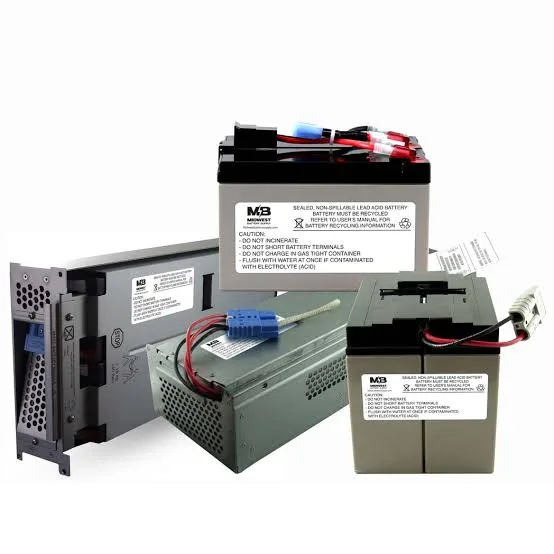
We replace VRLA and lithium-ion batteries on Eaton, Schneider Electric, Vertiv, and other platforms, and handle removal and certified recycling of the old units.
Learn morePreventative Maintenance Programs
Scheduled battery service catches problems between failures. We build a maintenance cadence around your runtime requirements and document every visit.
Learn moreProactive Testing
Catch a Failing Battery Before It Drops Your Load
Most UPS failures trace back to the batteries, not the electronics. A single weak cell can collapse a string the moment utility power is lost, which is exactly when you need it.
Our impedance and load testing surfaces degraded cells early, so you replace on a planned schedule instead of during an outage. Every test is documented with trend data you can hand to an auditor or use for capital planning.
Live Environments
Replacement Without Dropping Your Critical Load
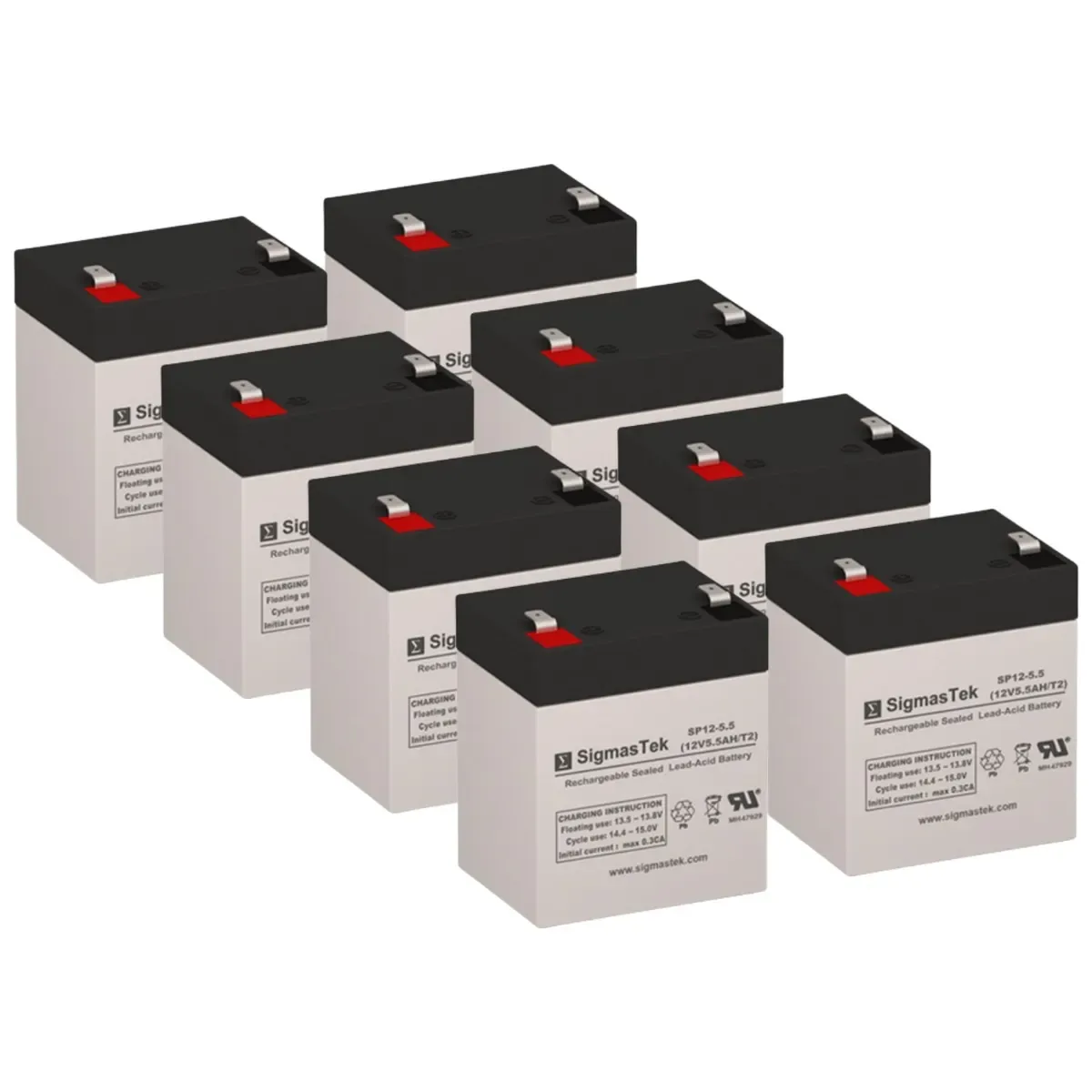
We replace batteries in occupied, energized facilities using safe work practices and, where the topology allows, methods that keep your load protected throughout the swap.
Our technicians are OSHA-trained and work to your site protocols. We coordinate the work window, stage the new strings, and verify runtime after the swap before we leave.
The Comp-Utility Difference
Why Comp-Utility?
Engineer-Owned and Operated
Comp-Utility is owned and operated by engineers, with licensed Texas Professional Engineers (P.E.) on staff. That rigor anchors every design, specification, and installation.
Trusted Since 1992
We have designed, installed, and maintained mission-critical power and cooling infrastructure across Central Texas since 1992, through every generation of the technology.
24/7 Emergency Response and Preventative Maintenance
Our technicians provide preventative maintenance programs and 24/7 emergency response, with rapid on-site dispatch across Central Texas when facilities need us most.
Turnkey, Single-Contract Partner
We sell, design, install, and maintain complete infrastructure end to end. One accountable team and one contract for power, cooling, distribution, and cabling.
Licensed, Certified & Recognized
We hold ourselves to the standards of the institutions we serve, from professional licensure and jobsite safety to the industry organizations that set the bar for mission-critical work.

Licensed Professional Engineers
State of Texas (TBPE)
OSHA 30 Certified
Field Technicians

AFCOM Member
Data center industry association

7x24 Exchange Member
Mission-critical infrastructure
Frequently Asked Questions
How often should UPS batteries be tested?
UPS batteries should be tested at least annually, and quarterly for highly critical loads. Testing measures internal impedance, voltage, and capacity to identify cells that are degrading before they fail. VRLA batteries in particular can lose capacity well before their rated life, so regular testing and trend tracking are the only reliable way to know a string's true remaining runtime.
What are the signs that UPS batteries need replacement?
Common signs include shorter runtime than rated, rising internal impedance, swollen or leaking cases, elevated battery temperature, and frequent battery-related alarms on the UPS. Because VRLA batteries often fail suddenly near end of life, the most dependable indicators come from impedance and capacity testing rather than waiting for a visible symptom or an alarm during an outage.
How long do UPS batteries typically last?
VRLA (valve-regulated lead-acid) batteries typically last three to five years in service, while lithium-ion batteries commonly last eight to ten years or more. Actual life depends heavily on operating temperature, cycling, and charge management. High ambient temperature is the biggest factor, which is why Central Texas facilities should monitor battery-room conditions and test on a regular schedule.
Do you provide emergency UPS battery replacement?
Yes. Comp-Utility provides 24/7 emergency response for failed or failing UPS batteries across Central Texas, with rapid on-site dispatch. If your UPS is in a battery-fault or low-runtime condition, call (512) 346-0999 and our technicians will assess the system, stabilize the situation, and replace the affected strings as quickly as the situation allows.
Can you service all UPS brands and battery types?
Yes. As a long-standing distribution partner of Eaton, Schneider Electric, and Vertiv, and a vendor-agnostic service provider, we test and replace batteries across all major UPS platforms and both VRLA and lithium-ion chemistries. We can also advise on converting an existing VRLA system to lithium-ion where it lowers total cost of ownership and extends service intervals.
What is included in your preventative maintenance program?
Our battery preventative maintenance includes impedance and voltage testing of every cell, connection torque checks, thermal inspection, charger and float-voltage verification, cleaning, and a documented condition report with trend data. We tailor the visit frequency to how critical the load is and to manufacturer requirements, and we flag any string that should be scheduled for replacement.
How do you dispose of old UPS batteries?
We remove old batteries from your site and route them through certified recycling channels, handling both VRLA and lithium-ion units in compliance with applicable regulations. Lead-acid batteries are highly recyclable, and proper documentation of the chain of custody is provided so your facility has a clean record of responsible disposal.
What documentation do you provide after service?
After every visit you receive a service report documenting the tested values for each string, before-and-after measurements, any deficiencies found, work performed, and recommendations. The report includes trend data against prior visits so you can plan replacements proactively and demonstrate a maintained system for warranty, audit, and insurance purposes.
Why is my UPS battery runtime much shorter than its rating?
Runtime drops well below the nameplate rating as batteries age, as ambient temperature rises, or after deep discharges. Even one weak cell in a series string reduces the runtime of the whole string. Impedance and capacity testing pinpoints which cells have degraded, so you can replace only what is needed and restore the rated runtime your load depends on.
Should I replace the batteries or the whole UPS?
If the UPS electronics are healthy and supported, replacing only the batteries is usually the right call and far less disruptive. If the unit is end-of-life, unsupported, or no longer sized for your load, a UPS replacement may make more sense. Comp-Utility assesses the system's age, support status, and your capacity needs, then recommends the lower total-cost path.
My UPS is in alarm, what do I do?
Call Comp-Utility right away at (512) 346-0999, and have the unit's model and serial number ready along with any alarm codes or messages shown on the UPS display. A unit in alarm can indicate a battery, load, or power-path issue that needs prompt attention. Because we maintain a large base of units under contract with the major UPS manufacturers, we can escalate directly to the right factory resources and coordinate service faster and more directly than a single end user calling general support, often getting you answers and a technician on site sooner.