Lithium-Ion vs VRLA Batteries for Data Center UPS Systems
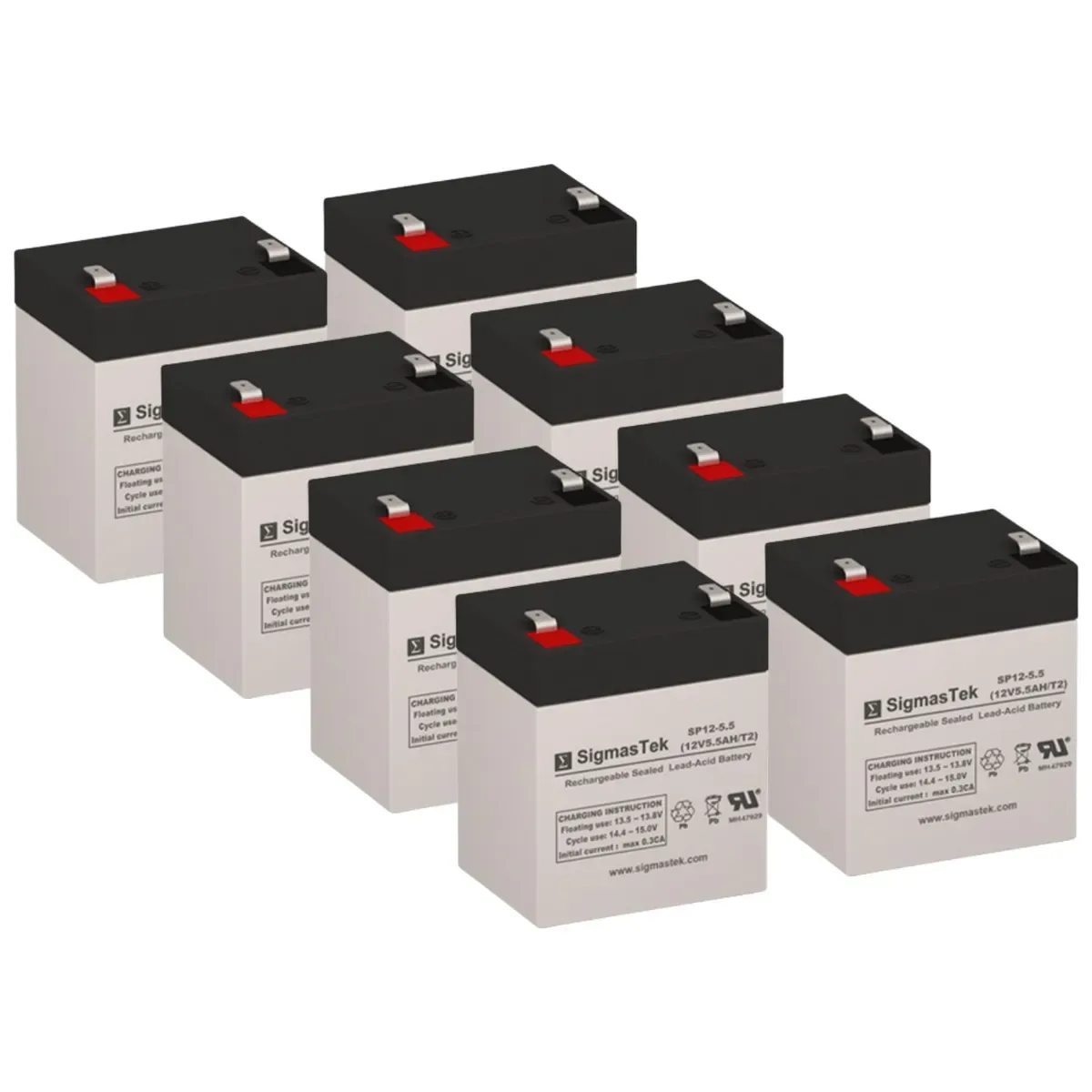
Lithium-ion and VRLA (valve-regulated lead-acid) are the two main UPS battery chemistries. VRLA has a lower upfront cost but typically lasts three to five years and takes more space. Lithium-ion costs more initially but commonly lasts eight to ten years or more, occupies a smaller footprint, recharges faster, and tolerates higher temperatures, which often lowers total cost of ownership over the UPS life.
What We Provide
Related Solutions
Battery Testing and Replacement
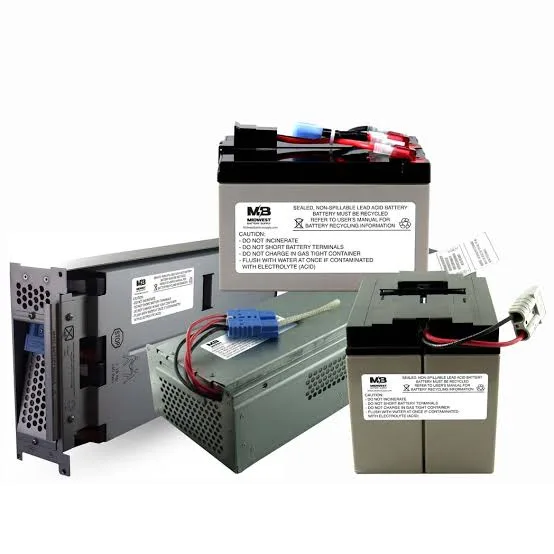
We test VRLA and lithium-ion strings and replace them on any major UPS platform, with certified recycling.
Learn moreLithium-Ion Conversion
We assess whether converting an existing VRLA system to lithium-ion lowers your total cost of ownership.
Learn moreBattery Monitoring
We deploy monitoring so you track battery health and replace proactively rather than reactively.
Learn moreTotal Cost of Ownership
Upfront Price Is Only Part of the Battery Decision
VRLA wins on purchase price, but lithium-ion often wins on lifetime cost through longer life, fewer replacements, less maintenance, a smaller footprint, and tolerance of warmer rooms that can reduce cooling cost.
Comp-Utility models the total cost of ownership for your specific UPS, runtime, and site conditions so the chemistry decision is based on lifecycle economics, not just the sticker price.
The Comp-Utility Difference
Why Comp-Utility?
Engineer-Owned and Operated
Comp-Utility is owned and operated by engineers, with licensed Texas Professional Engineers (P.E.) on staff. That rigor anchors every design, specification, and installation.
Long-Standing Distribution Partner
As a long-standing distribution partner of Eaton, Schneider Electric, and Vertiv, we specify best-in-class systems and back them with factory-grade service.
Trusted Since 1992
We have designed, installed, and maintained mission-critical power and cooling infrastructure across Central Texas since 1992, through every generation of the technology.
24/7 Emergency Response and Preventative Maintenance
Our technicians provide preventative maintenance programs and 24/7 emergency response, with rapid on-site dispatch across Central Texas when facilities need us most.
Licensed, Certified & Recognized
We hold ourselves to the standards of the institutions we serve, from professional licensure and jobsite safety to the industry organizations that set the bar for mission-critical work.

Licensed Professional Engineers
State of Texas (TBPE)
OSHA 30 Certified
Field Technicians

AFCOM Member
Data center industry association

7x24 Exchange Member
Mission-critical infrastructure
Frequently Asked Questions
What is the difference between lithium-ion and VRLA UPS batteries?
VRLA (valve-regulated lead-acid) is the traditional, lower-cost UPS battery, typically lasting three to five years with a larger footprint. Lithium-ion costs more upfront but commonly lasts eight to ten years or more, takes less space, recharges faster, and tolerates higher temperatures. The trade-off is upfront cost versus lifetime cost and footprint.
How long do VRLA and lithium-ion batteries last?
VRLA UPS batteries typically last three to five years in service, while lithium-ion batteries commonly last eight to ten years or more. Actual life depends heavily on operating temperature and cycling. High ambient temperature shortens VRLA life significantly, which is one reason lithium-ion's temperature tolerance is valuable in warmer environments.
Is lithium-ion worth the higher upfront cost?
Often, yes. Although lithium-ion costs more to purchase, its longer life means fewer replacement cycles, less maintenance and fewer service visits, a smaller footprint, and the ability to run in warmer rooms. Over the life of the UPS, these factors frequently make lithium-ion lower in total cost of ownership. Comp-Utility models the comparison for your site.
Does lithium-ion save space?
Yes. Lithium-ion batteries are significantly smaller and lighter than VRLA for the same energy, freeing valuable floor space or allowing more runtime in the same footprint. In space-constrained edge sites and dense data centers, this footprint advantage can be a deciding factor on its own.
Can I convert my existing UPS from VRLA to lithium-ion?
In many cases, yes, provided the UPS supports lithium-ion batteries and the appropriate battery management. Conversion can extend the effective life of an existing UPS while reducing future battery maintenance. Comp-Utility assesses your UPS model and configuration to confirm compatibility and model the total-cost benefit before recommending a conversion.
Are lithium-ion UPS batteries safe?
Modern UPS lithium-ion batteries use chemistries and battery management systems designed for safety, including monitoring and protection against thermal events. They must be installed and maintained correctly and in compliance with applicable fire codes. Comp-Utility specifies and installs lithium-ion systems to manufacturer and code requirements and provides ongoing service.
How do I know when UPS batteries need replacement?
The reliable indicators come from impedance and capacity testing and from runtime that falls short of rating, rather than waiting for a failure. VRLA in particular can fail suddenly near end of life. Comp-Utility tests batteries, tracks trends, and replaces strings proactively so a battery does not drop your load during an outage.
Who can test and replace my UPS batteries in Central Texas?
Comp-Utility tests and replaces VRLA and lithium-ion UPS batteries across all major platforms throughout Central Texas, with certified recycling of old units and 24/7 emergency response. We also advise on lithium-ion conversion. Call (512) 346-0999 or email sales@comp-utility.com to set up battery service.
My UPS is in alarm, what do I do?
Call Comp-Utility right away at (512) 346-0999, and have the unit's model and serial number ready along with any alarm codes or messages shown on the UPS display. A unit in alarm can indicate a battery, load, or power-path issue that needs prompt attention. Because we maintain a large base of units under contract with the major UPS manufacturers, we can escalate directly to the right factory resources and coordinate service faster and more directly than a single end user calling general support, often getting you answers and a technician on site sooner.