Signs Your UPS Batteries Need Replacement
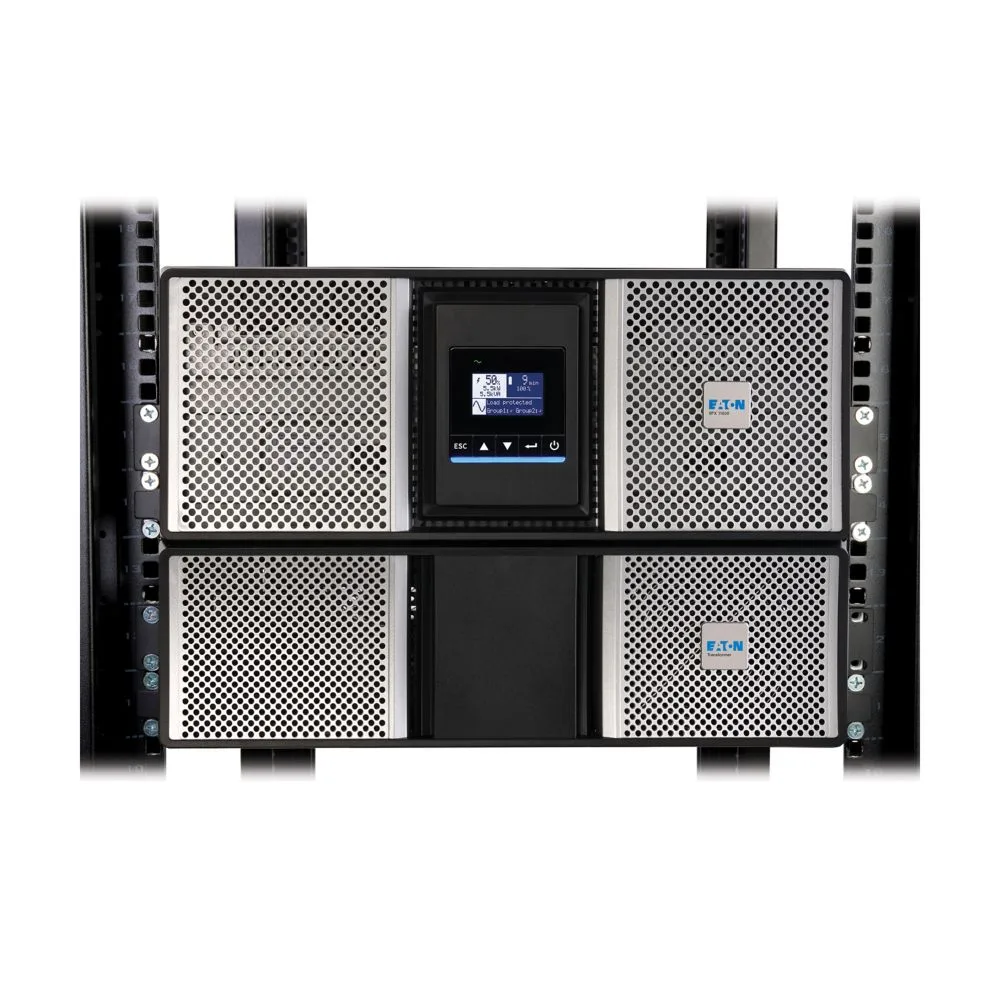
The clearest signs that UPS batteries need replacement are runtime that falls short of the rating, rising internal impedance on testing, swollen or leaking battery cases, elevated battery temperature, and frequent battery-related alarms. Because VRLA batteries can fail suddenly near end of life, the most reliable indicator is regular impedance and capacity testing rather than waiting for a visible symptom or an outage.
What We Provide
Related Solutions
Battery Testing
We measure impedance, voltage, and capacity and benchmark each string to reveal its true remaining life.
Learn moreReplacement and Recycling
We replace VRLA and lithium-ion strings on any major platform and recycle the old units responsibly.
Learn moreMonitoring Programs
We deploy battery monitoring so degradation is caught between visits and replacement is proactive.
Learn moreDo Not Wait for the Outage
Catch Failing Batteries Before They Drop the Load
A weak battery often gives no obvious warning until the moment utility power is lost, which is exactly when it must perform. By then it is too late.
Regular testing and monitoring surface degradation early so you replace on a planned schedule. Comp-Utility tests, trends, and replaces batteries across Central Texas to keep your runtime intact.
The Comp-Utility Difference
Why Comp-Utility?
Engineer-Owned and Operated
Comp-Utility is owned and operated by engineers, with licensed Texas Professional Engineers (P.E.) on staff. That rigor anchors every design, specification, and installation.
24/7 Emergency Response and Preventative Maintenance
Our technicians provide preventative maintenance programs and 24/7 emergency response, with rapid on-site dispatch across Central Texas when facilities need us most.
Trusted Since 1992
We have designed, installed, and maintained mission-critical power and cooling infrastructure across Central Texas since 1992, through every generation of the technology.
Long-Standing Distribution Partner
As a long-standing distribution partner of Eaton, Schneider Electric, and Vertiv, we specify best-in-class systems and back them with factory-grade service.
Licensed, Certified & Recognized
We hold ourselves to the standards of the institutions we serve, from professional licensure and jobsite safety to the industry organizations that set the bar for mission-critical work.

Licensed Professional Engineers
State of Texas (TBPE)
OSHA 30 Certified
Field Technicians

AFCOM Member
Data center industry association

7x24 Exchange Member
Mission-critical infrastructure
Frequently Asked Questions
What are the warning signs of failing UPS batteries?
Key signs include runtime shorter than the rated value, rising internal impedance measured during testing, swollen or leaking battery cases, elevated battery or room temperature, and recurring battery-related alarms on the UPS. Because some failures occur with little warning, testing and monitoring are more reliable than waiting for a visible symptom.
How often should UPS batteries be tested?
UPS batteries should be tested at least annually, and quarterly for highly critical loads. Testing measures impedance, voltage, and capacity to identify cells degrading before they fail. Regular testing with trend tracking is the only dependable way to know a string's true remaining runtime, since age alone does not tell the full story.
Why is my UPS runtime shorter than its rating?
Runtime drops as batteries age, as temperature rises, or after deep discharges, and even one weak cell in a series string reduces the runtime of the whole string. Impedance and capacity testing pinpoints which cells have degraded so you can replace what is needed and restore the rated runtime your load depends on.
What does battery impedance testing tell me?
Internal impedance rises as a battery degrades, so impedance testing reveals weakening cells before they fail, often well before any visible symptom. Tracking impedance over time shows the trend for each string, enabling proactive replacement. It is one of the most valuable predictive tests for UPS batteries.
Are swollen or hot batteries dangerous?
Swelling, leaking, or excessive heat indicate a battery in distress and can pose safety risks, including, in severe cases, thermal events. These conditions warrant prompt attention. If you observe them, contact Comp-Utility at (512) 346-0999 for assessment and replacement; do not continue relying on batteries showing these signs.
How does temperature affect battery life?
Heat is the biggest enemy of battery life, especially for VRLA. Operating above recommended temperatures can dramatically shorten lifespan, sometimes halving it for every several degrees of sustained elevation. Maintaining a controlled battery-room temperature and monitoring conditions extends life. Lithium-ion tolerates higher temperatures better than VRLA.
Should I replace one bad battery or the whole string?
Generally the whole string should be replaced rather than a single cell, because mixing new and aged batteries in a series string causes imbalance and shortens the life of the new units. Testing identifies when a string has reached end of life. Comp-Utility advises on string replacement to maintain reliable, balanced runtime.
Who can test and replace UPS batteries in Central Texas?
Comp-Utility tests, monitors, and replaces UPS batteries across all major platforms throughout Central Texas, with certified recycling and 24/7 emergency response for failed batteries. Call (512) 346-0999 or email sales@comp-utility.com to schedule testing or emergency replacement.
My UPS is in alarm, what do I do?
Call Comp-Utility right away at (512) 346-0999, and have the unit's model and serial number ready along with any alarm codes or messages shown on the UPS display. A unit in alarm can indicate a battery, load, or power-path issue that needs prompt attention. Because we maintain a large base of units under contract with the major UPS manufacturers, we can escalate directly to the right factory resources and coordinate service faster and more directly than a single end user calling general support, often getting you answers and a technician on site sooner.