Wood Core vs Concrete-Filled Raised Floor Panels: Which Is Right?
At standard load classes of 1,000 to 1,500 lb, wood-core and concrete-filled (cementitious) raised floor panels carry the same rated load, so wood core is not the weaker choice many people assume. Wood-core panels are lighter, easier to cut, and in our experience less expensive to install, and both types are quiet underfoot. Cementitious panels are the choice above 1,500 lb, for frequent heavy rolling loads, in wet-risk areas, or where a specification requires noncombustible components.
What We Provide
Related Solutions
CEI Access Floor Panels
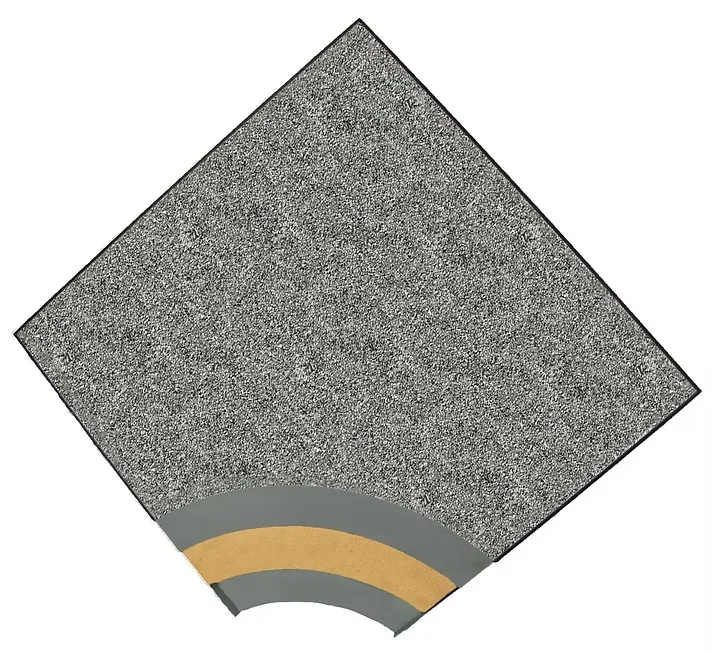
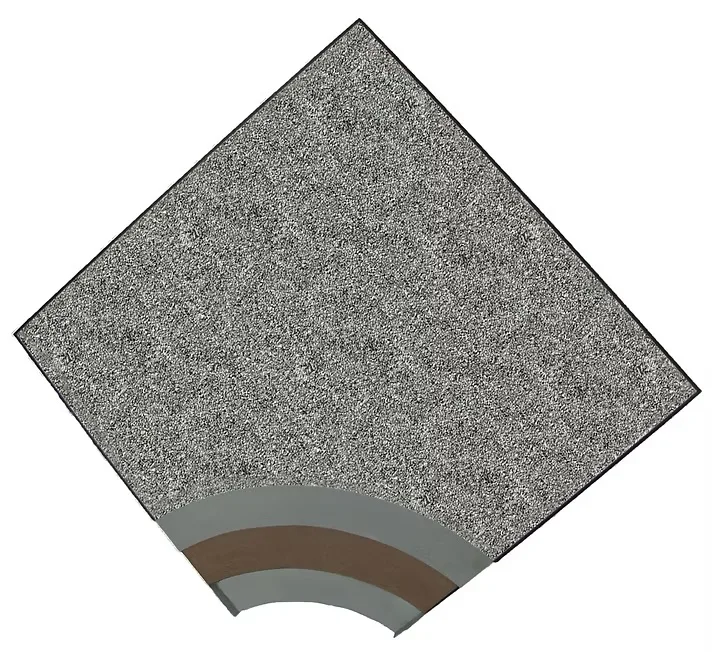
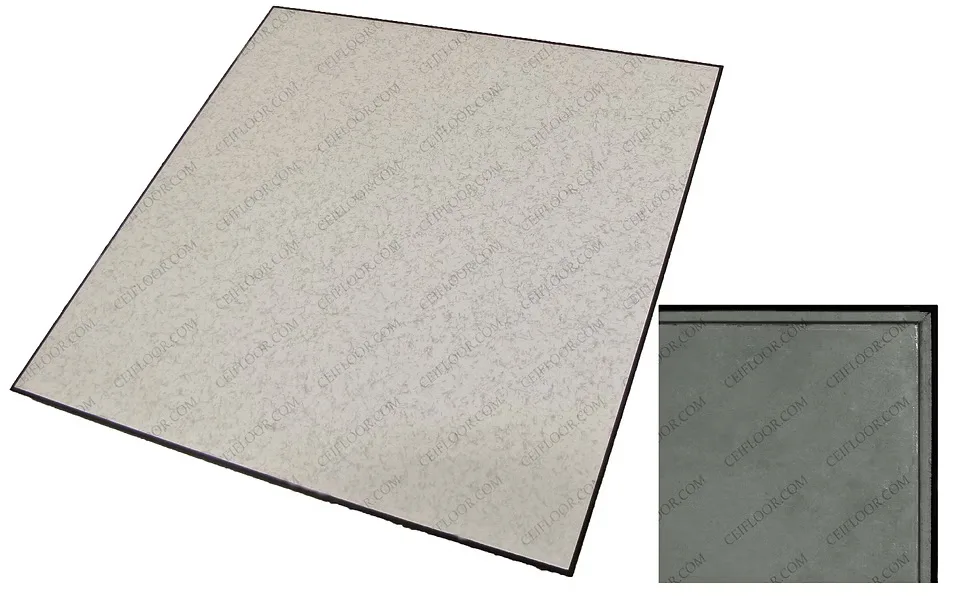
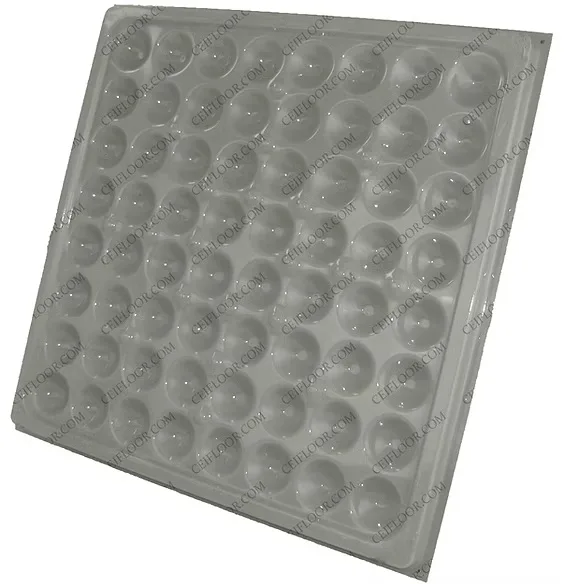
We supply CEI wood-core and cementitious panels in the load class and finish your space requires.
Learn moreMatched Replacement Panels
We match replacement panels to your existing system and core type so repairs sit flush and perform the same.
Learn moreInstallation and Leveling
We install new floors and level and repair existing ones, with field work by our full-time W-2 crews.
Learn moreLoad Ratings
The Load Myth: Same Class, Same Rated Load
A common misconception is that wood-core panels cannot handle heavy loads. At the same load class, they carry the same rated load. In one manufacturer's published data, a 1,000 lb wood-core panel and a 1,000 lb cementitious panel both list 1,000 lb concentrated load and 2,000 lb ultimate load on a bolted understructure, and the wood-core panel's rolling ratings (1,000 lb at 10 passes, 800 lb at 10,000 passes) match those of a 1,250 lb cementitious panel.
Wood-core panels are commonly available in 1,000, 1,250, and 1,500 lb classes. Cementitious lines extend higher, to 2,000, 2,500, and 3,000 lb concentrated, with rolling ratings up to about 2,000 lb at 10,000 passes. The practical rule: the two are comparable at standard load classes (1,000 to 1,500 lb), and cementitious is the choice above that.
Cost, Cutting, and Handling
Why Wood Core Is Often Less Expensive to Install
Wood-core panels are lighter: about 28 lb for a standard 24 in. panel versus about 36 lb for cementitious, and about 10 versus 12 lb per sq ft for a complete floor kit. Lighter panels are faster to handle and install.
In our experience, wood-core panels also cost less to manufacture and cut cleanly for cable cutouts, grommets, and door frames, which lowers installation cost. Cementitious panels need a heavy-duty reciprocating saw with bi-metal blades, and some manufacturers offer factory water-jet cutouts for them.
Both types are quiet underfoot. One wood-core (particleboard) system publishes 43 dB airborne sound insulation (Dn,f,w) and 67 dB impact sound (Ln,f,w) ratings.
Fire and Moisture
Where Cementitious Panels Earn Their Place
Fire and moisture are the real differentiators. Wood-core panels are encapsulated in steel and carry Class A flame spread ratings under ASTM E84. Cementitious panels are marketed as noncombustible, and some data center specifications, insurers, and authorities having jurisdiction (AHJs) require noncombustible floor components. NFPA 75 addresses IT equipment rooms, so check your specification and your AHJ before choosing a core.
Moisture is the true weakness of wood core. Water from spills, sprinkler discharge, or humidity swings can make the core swell and cup the panel, while cementitious panels have higher moisture resistance. Grounding is not a differentiator: both types are grounded through the steel shell and understructure.
Comp-Utility supplies both through CEI and recommends a core based on load, fire requirements, moisture risk, and budget. When replacing panels in an existing floor, we match the existing system and core type so the floor stays level and consistent.
Key Specifications
| Factor | Wood Core | Concrete-Filled (Cementitious) |
|---|---|---|
| Concentrated load classes | Commonly 1,000, 1,250, and 1,500 lb | Standard classes, extending to 2,000, 2,500, and 3,000 lb |
| Same-class example (bolted) | 1,000 lb panel: 1,000 lb concentrated, 2,000 lb ultimate | 1,000 lb panel: 1,000 lb concentrated, 2,000 lb ultimate |
| Rolling load | 1,000 lb panel: 1,000 lb at 10 passes, 800 lb at 10,000 passes | Same ratings at the 1,250 lb class; up to about 2,000 lb at 10,000 passes in higher classes |
| Weight (24 in. panel) | About 28 lb | About 36 lb |
| Floor kit weight | About 10 lb per sq ft | About 12 lb per sq ft |
| Cutting | Cuts cleanly for cutouts, grommets, and door frames | Heavy-duty reciprocating saw with bi-metal blades; factory water-jet cutouts from some manufacturers |
| Sound | Quiet underfoot | Quiet underfoot |
| Fire | Steel-encapsulated; Class A flame spread (ASTM E84) | Marketed as noncombustible |
| Moisture | Core can swell and cup after water exposure | Higher moisture resistance |
| Grounding | Through the steel shell and understructure | Through the steel shell and understructure |
| Typical fit | Offices, command centers, IT rooms, and data centers at standard load classes | Heavy equipment, frequent heavy rolling loads, wet-risk areas, and noncombustible specifications |
Load and weight figures are representative values from published manufacturer data for specific panel lines; ratings vary by manufacturer, panel line, and understructure. Cutting and cost notes reflect Comp-Utility field experience. Confirm ratings for the exact panels on your project.
The Comp-Utility Difference
Why Comp-Utility?
Engineer-Owned and Operated
Comp-Utility is owned and operated by engineers, with licensed Texas Professional Engineers (P.E.) on staff. That rigor anchors every design, specification, and installation.
Trusted Since 1992
We have designed, installed, and maintained mission-critical power and cooling infrastructure across Central Texas since 1992, through every generation of the technology.
Turnkey, Single-Contract Partner
We sell, design, install, and maintain complete infrastructure end to end. One accountable team and one contract for power, cooling, distribution, and cabling.
Long-Standing Distribution Partner
As a long-standing distribution partner of Eaton, Schneider Electric, and Vertiv, we specify best-in-class systems and back them with factory-grade service.
Licensed, Certified & Recognized
We hold ourselves to the standards of the institutions we serve, from professional licensure and jobsite safety to the industry organizations that set the bar for mission-critical work.

Licensed Professional Engineers
State of Texas (TBPE)
OSHA 30 Certified
Field Technicians
AFCOM Member
Data center industry association

7x24 Exchange Member
Mission-critical infrastructure
Frequently Asked Questions
Can wood-core raised floor panels handle heavy loads?
Yes, within their load class. At the same class, wood-core and concrete-filled panels carry the same rated load. In one manufacturer's published data, 1,000 lb wood-core and cementitious panels both list 1,000 lb concentrated and 2,000 lb ultimate load on a bolted understructure. Wood core is commonly offered in 1,000, 1,250, and 1,500 lb classes; above that, cementitious is the choice.
What is a concrete-filled (cementitious) access floor panel?
A concrete-filled, or cementitious, panel is a steel shell filled with a cement-based core. It is heavier than a wood-core panel, is marketed as noncombustible, and has higher moisture resistance. Cementitious lines extend to higher load classes, including 2,000, 2,500, and 3,000 lb concentrated, which makes them the choice for the heaviest equipment and frequent heavy rolling loads.
Why are wood-core panels less expensive to install?
In our experience, wood-core panels cost less to manufacture and are easier to work with on site. They are lighter, at about 28 lb per 24 in. panel versus about 36 lb for cementitious, so crews handle and place them faster. They also cut cleanly for cutouts, grommets, and door frames, while cementitious panels need heavy-duty saws or factory water-jet cutouts.
Are wood-core panels noisier than concrete-filled panels?
No. Both types are quiet underfoot when properly installed and leveled. One wood-core (particleboard) system publishes 43 dB airborne sound insulation and 67 dB impact sound ratings. In our experience, a noisy raised floor usually points to rocking panels or loose understructure rather than core type, and that is a leveling issue rather than a reason to change panels.
Are wood-core access floor panels fire rated?
Yes. Wood-core panels are encapsulated in steel and carry Class A flame spread ratings under ASTM E84. Cementitious panels are marketed as noncombustible. Some data center specifications, insurers, and authorities having jurisdiction require noncombustible floor components, and NFPA 75 addresses IT equipment rooms, so check your project specification and your AHJ before choosing a core type.
What happens if a wood-core panel gets wet?
Moisture is the main weakness of wood core. Water from spills, sprinkler discharge, or humidity swings can make the core swell and cup the panel, which leads to rocking and uneven joints. Cementitious panels have higher moisture resistance, so they suit wet-risk areas. Swollen wood-core panels should be replaced with matching panels rather than forced back into the grid.
Does core type affect access floor grounding?
No. Both wood-core and cementitious panels are grounded through the steel shell and the understructure, so grounding is not a reason to choose one over the other. What matters is that the understructure is grounded as the project design requires. Choose the core based on load, fire requirements, moisture risk, and budget instead.
Can I mix wood-core and concrete-filled panels in one floor?
It is best not to. When replacing panels in an existing floor, match the existing system and core type. Mixed panel types or thicknesses from piecemeal replacement are a common cause of uneven and rocking floors. Comp-Utility identifies your existing system and supplies matched CEI replacement panels so repairs sit flush with the surrounding floor.
Which panel type is right for my space?
Wood core fits offices, command centers, IT rooms, and data centers at standard load classes of 1,000 to 1,500 lb. Cementitious fits heavy equipment, frequent heavy rolling loads, wet-risk areas, and projects that require noncombustible panels. As a value-added reseller, Comp-Utility supplies both through CEI and recommends a core based on your load, fire, moisture, and budget needs.