Raised Access Floor Basics for Data Centers
Raised access flooring is a system of removable panels on adjustable pedestals that creates an accessible plenum beneath the floor. Data centers use it to distribute cooling air, route power and cabling, and provide flexible access. The key design choices are plenum height, panel load rating, understructure type (stringer or stringerless), and airflow panel placement, all matched to your cooling strategy and rack loads.
What We Provide
Related Solutions
Access Floor Installation
We install and service raised floors engineered to your load, height, and cooling design.
Learn morePanels and Understructure
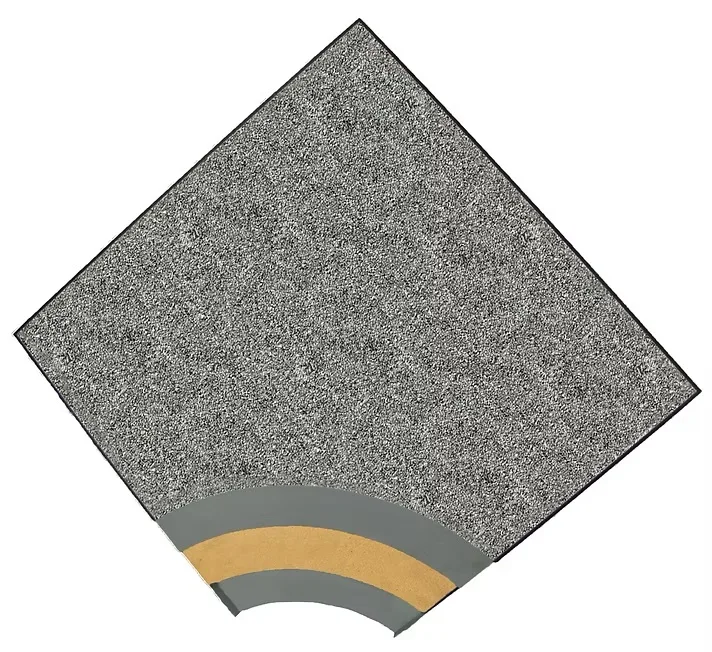
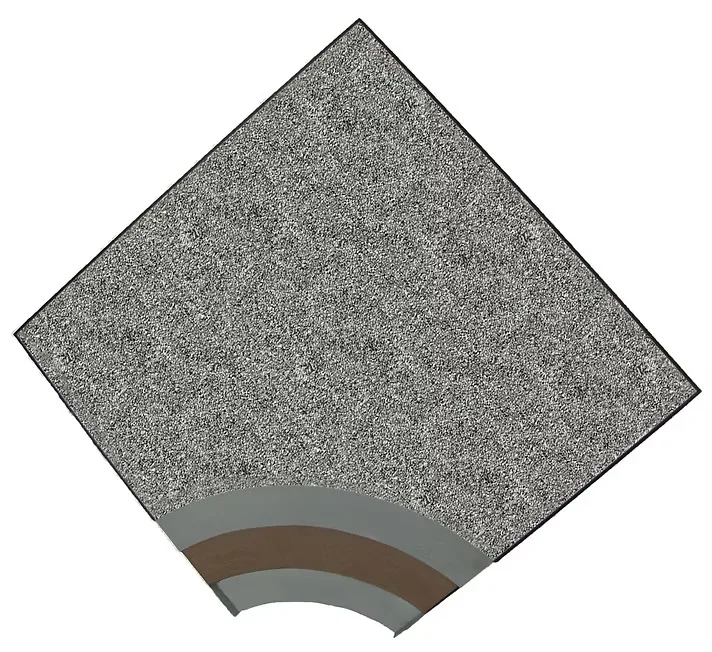
We specify CEI panels, pedestals, stringers, and airflow tiles for your environment.
Learn moreCooling Integration
We place airflow panels and seal cutouts so the underfloor plenum cools the racks efficiently.
Learn moreDesign Fundamentals
Get Height, Load, and Airflow Right
A good raised floor balances three things: enough plenum height for cooling and cabling, a load rating that supports your heaviest racks, and airflow panels placed to deliver cold air where it is needed.
Comp-Utility engineers these together rather than as an afterthought, so the floor supports both the equipment and the cooling design.
The Comp-Utility Difference
Why Comp-Utility?
Engineer-Owned and Operated
Comp-Utility is owned and operated by engineers, with licensed Texas Professional Engineers (P.E.) on staff. That rigor anchors every design, specification, and installation.
Trusted Since 1992
We have designed, installed, and maintained mission-critical power and cooling infrastructure across Central Texas since 1992, through every generation of the technology.
Turnkey, Single-Contract Partner
We sell, design, install, and maintain complete infrastructure end to end. One accountable team and one contract for power, cooling, distribution, and cabling.
Long-Standing Distribution Partner
As a long-standing distribution partner of Eaton, Schneider Electric, and Vertiv, we specify best-in-class systems and back them with factory-grade service.
Licensed, Certified & Recognized
We hold ourselves to the standards of the institutions we serve, from professional licensure and jobsite safety to the industry organizations that set the bar for mission-critical work.

Licensed Professional Engineers
State of Texas (TBPE)
OSHA 30 Certified
Field Technicians

AFCOM Member
Data center industry association

7x24 Exchange Member
Mission-critical infrastructure
Frequently Asked Questions
What is raised access flooring and why do data centers use it?
Raised access flooring is a system of removable panels on adjustable pedestals that creates a plenum beneath the floor. Data centers use it to distribute cooling air to cold aisles, route power and cabling out of sight, and provide flexible access for changes. The underfloor plenum supports underfloor cooling and keeps the space organized and adaptable.
What floor height (plenum) do I need?
Plenum height depends on your cooling and cabling strategy: deeper plenums carry more airflow and cabling, which matters for higher-density cooling, while shallower plenums suit lighter loads. Common heights range from around 12 inches to several feet for high-density designs. Comp-Utility determines the height from your cooling design and cabling needs.
What load rating do raised floor panels need?
Panels must support the static load of installed equipment and the rolling load of moving heavy equipment across them, with margin. High-density racks need higher-rated panels and understructure. Comp-Utility calculates your static and rolling loads and specifies the panel load class and understructure, such as cementitious-core panels for heavier areas.
What is the difference between stringer and stringerless systems?
A bolted-stringer system adds a grid between pedestals for greater lateral and seismic stability, suited to higher loads and taller floors, while a stringerless system relies on pedestals and panels alone and can suit lighter, lower floors. The choice affects stability and cost. Comp-Utility recommends the system based on your load, height, and seismic needs.
How does raised flooring support cooling?
The underfloor plenum acts as a supply path for conditioned air, delivered to cold aisles through perforated panels or high-output grates. Proper panel placement and sealing of cable cutouts are essential for efficient airflow and to avoid hot spots. Comp-Utility designs the floor and airflow together so cooling reaches the racks that need it.
How do I manage airflow with floor tiles?
Airflow is managed by placing perforated tiles or grates in cold aisles where cooling is needed, using solid panels elsewhere, sealing cable cutouts with brush grommets, and tuning with dampers. Too many open tiles waste airflow; too few create hot spots. Comp-Utility designs the airflow tile layout to balance delivery across the room.
Can a raised floor be reinforced for heavier racks?
Yes. As rack densities and weights increase, an existing floor can often be reinforced with stronger pedestals, added stringers, or higher-rated panels rather than fully replaced. Comp-Utility assesses the current floor and reinforces it to meet new load requirements, extending its life while supporting denser equipment.
Who designs and installs raised access flooring in Central Texas?
Comp-Utility designs, installs, replaces, and services raised access flooring across Central Texas, engineering height, load, and airflow to your cooling and equipment needs, with CEI panels and understructure. Call (512) 346-0999 or email sales@comp-utility.com for a quote.