CEI Access Floor Understructure and Airflow Panels
The CEI access floor understructure, adjustable pedestals and bolted stringers, supports the floor and sets the plenum height from about 2.5 to 72 inches, while airflow panels (perforated tiles and high-output grates) deliver conditioned air from the underfloor plenum to the cold aisle. Together they carry the load and manage cooling. Comp-Utility designs and installs CEI understructure and airflow systems across Central Texas.
What We Provide
Our Capabilities
Understructure Design
We design pedestal heights and stringer systems for your plenum, load, and seismic requirements.
Learn moreAirflow Management
We place perforated panels and grates and seal cutouts so cooling reaches the racks efficiently.
Learn moreInstallation and Reinforcement
We install and reinforce understructure for higher-density racks and integrate with containment.
Learn moreSupport and Airflow
The Hidden System That Carries Load and Cooling
Below the panels, adjustable pedestals set the plenum height and carry the load, while bolted stringers add lateral and seismic stability for higher floors and heavier racks.
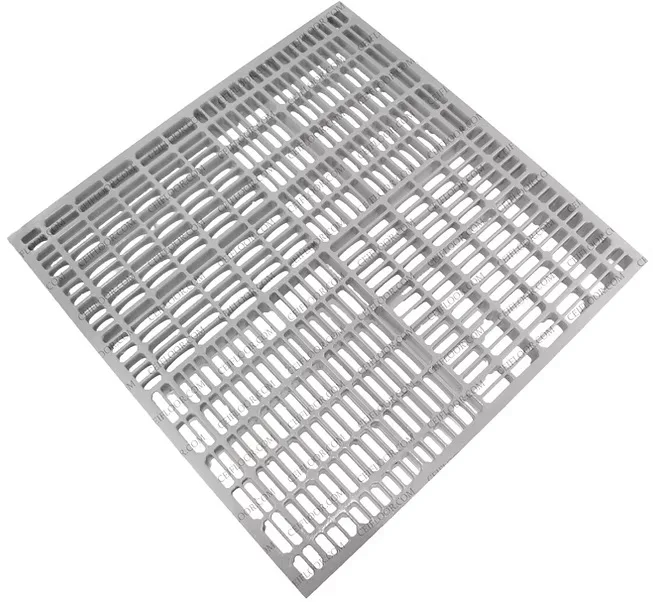
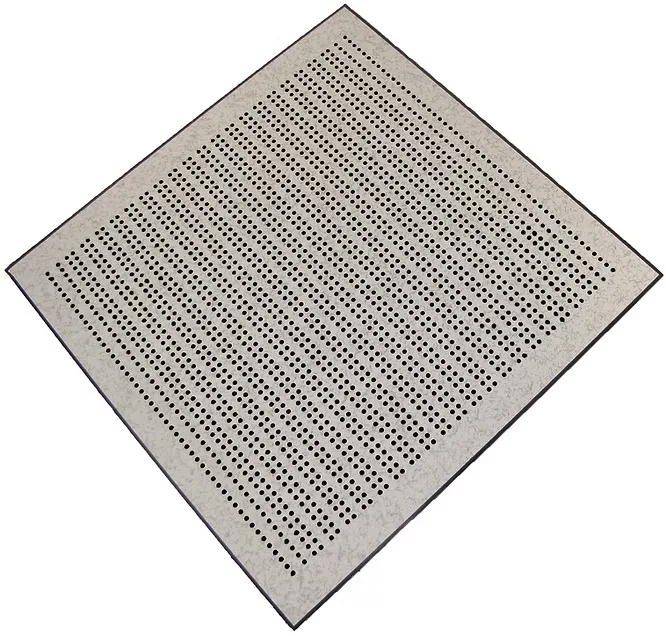
Airflow panels then deliver cooling where it is needed: perforated tiles for general cold aisles and high-output grates for high-density rows. Comp-Utility engineers the whole system for your load and cooling design.
Key Specifications
| Component | Description | Role |
|---|---|---|
| Pedestal system | Adjustable height, 2.5 to 72 in finished height | Supports panels, sets plenum height, leveling |
| Stringer system | Bolted stringer grid | Lateral and seismic stability for high-load/tall floors |
| Perforated air panel | ~25% open area, optional dampers | Delivers underfloor air to cold aisles |
| High-output air grate | Up to ~56% open area, optional dampers | Maximum airflow for high-density cold aisles |
Specifications reflect the CEI understructure and airflow product lines; exact heights, load classes, and open areas vary. Contact us to confirm the current configuration for your project.
The Comp-Utility Difference
Why Comp-Utility?
Long-Standing Distribution Partner
As a long-standing distribution partner of Eaton, Schneider Electric, and Vertiv, we specify best-in-class systems and back them with factory-grade service.
Engineer-Owned and Operated
Comp-Utility is owned and operated by engineers, with licensed Texas Professional Engineers (P.E.) on staff. That rigor anchors every design, specification, and installation.
Turnkey, Single-Contract Partner
We sell, design, install, and maintain complete infrastructure end to end. One accountable team and one contract for power, cooling, distribution, and cabling.
24/7 Emergency Response and Preventative Maintenance
Our technicians provide preventative maintenance programs and 24/7 emergency response, with rapid on-site dispatch across Central Texas when facilities need us most.
Licensed, Certified & Recognized
We hold ourselves to the standards of the institutions we serve, from professional licensure and jobsite safety to the industry organizations that set the bar for mission-critical work.

Licensed Professional Engineers
State of Texas (TBPE)
OSHA 30 Certified
Field Technicians
AFCOM Member
Data center industry association

7x24 Exchange Member
Mission-critical infrastructure
Frequently Asked Questions
What is access floor understructure?
Access floor understructure is the support system beneath the panels: adjustable pedestals that carry the load and set the plenum height, and, in many systems, bolted stringers that tie the pedestals together for stability. CEI pedestals support finished heights from about 2.5 to 72 inches. The understructure determines the floor's load capacity and stability.
What is the difference between a stringer and stringerless system?
A bolted-stringer system adds a grid of stringers between pedestals for greater lateral and seismic stability, suited to higher loads and taller floors, while a stringerless system relies on the panels and pedestals alone and can suit lighter loads and lower heights. Comp-Utility recommends the system based on your load, height, and seismic requirements.
What plenum height do I need?
Plenum height depends on your cooling and cabling strategy: deeper plenums support more airflow and cabling, which matters for higher-density cooling. CEI pedestals support roughly 2.5 to 72 inches. Comp-Utility determines the height from your cooling design and cable management needs and sets the pedestals accordingly.
How do perforated panels and grates differ?
Perforated air panels typically have around 25% open area and suit general cold-aisle airflow, while high-output grates can reach about 56% open area for high-density rows that need maximum airflow per tile. Both may include dampers to tune flow. Comp-Utility places the right airflow panels to match each aisle's cooling demand.
How do airflow panels affect cooling efficiency?
Airflow panel selection and placement directly affect how effectively underfloor cold air reaches the racks. Too few or poorly placed panels create hot spots; too many waste airflow. Sealing cable cutouts is equally important. Comp-Utility designs the airflow panel layout and sealing to deliver cooling efficiently and avoid recirculation.
Can you reinforce understructure for heavier racks?
Yes. As rack densities and weights increase, existing understructure may need stronger pedestals, added stringers, or higher-rated panels. Comp-Utility assesses the current system and reinforces it to meet the new static and rolling loads, avoiding a full replacement where reinforcement is sufficient.
How is the understructure grounded?
The access floor understructure is grounded and bonded to safely dissipate static and meet electrical and ESD requirements, which is especially important for conductive floors in ESD-controlled areas. Comp-Utility installs proper grounding and bonding as part of the floor system to meet code and performance requirements.
Who designs and installs CEI understructure in Central Texas?
Comp-Utility designs, supplies, and installs CEI access floor understructure and airflow panels across Central Texas, engineering the system for your load, plenum height, and cooling. Call (512) 346-0999 or email sales@comp-utility.com for a quote.