Generator Paralleling and Switchgear Explained
Generator paralleling connects two or more generators to share a common load through paralleling switchgear, which synchronizes the units and manages load sharing, sequencing, and protection. Paralleling provides scalability (add units as load grows), redundancy (lose one unit and the others carry on), and the ability to run only the units needed for the current load, improving efficiency and maintainability over a single large generator.
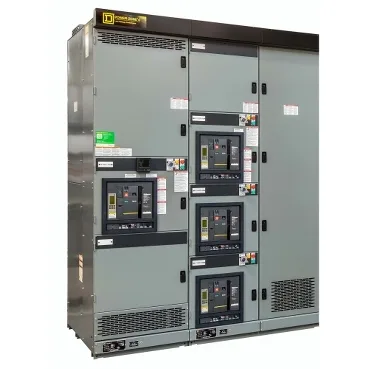
What We Provide
Related Solutions
Paralleling Switchgear Design
We design and integrate paralleling switchgear that synchronizes units and manages load sharing and protection.
Learn moreGenerator and ATS Service
We maintain and test paralleled generators and transfer equipment so the system performs on demand.
Learn moreSwitchgear Testing
We test breakers, relays, and controls so the paralleling system isolates faults and shares load correctly.
Learn moreScalable Redundant Power
Why Multiple Paralleled Generators Beat One Large Unit
Paralleling multiple generators provides redundancy a single unit cannot: if one fails, the others continue. It also lets you add capacity as load grows and run only the units needed at a given load, which improves efficiency and simplifies maintenance.
Comp-Utility designs, integrates, and services paralleling switchgear and the generators behind it across Central Texas.
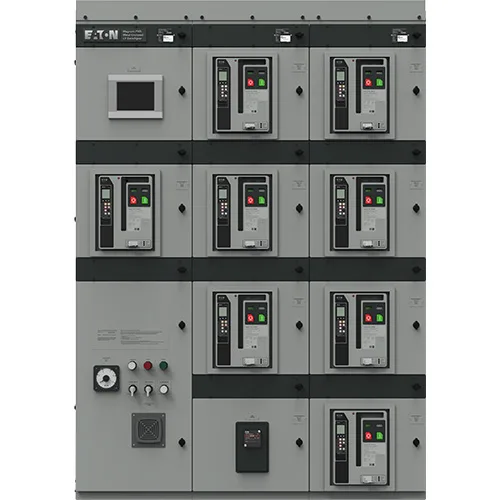
The Comp-Utility Difference
Why Comp-Utility?
Engineer-Owned and Operated
Comp-Utility is owned and operated by engineers, with licensed Texas Professional Engineers (P.E.) on staff. That rigor anchors every design, specification, and installation.
Long-Standing Distribution Partner
As a long-standing distribution partner of Eaton, Schneider Electric, and Vertiv, we specify best-in-class systems and back them with factory-grade service.
Trusted Since 1992
We have designed, installed, and maintained mission-critical power and cooling infrastructure across Central Texas since 1992, through every generation of the technology.
Turnkey, Single-Contract Partner
We sell, design, install, and maintain complete infrastructure end to end. One accountable team and one contract for power, cooling, distribution, and cabling.
Licensed, Certified & Recognized
We hold ourselves to the standards of the institutions we serve, from professional licensure and jobsite safety to the industry organizations that set the bar for mission-critical work.

Licensed Professional Engineers
State of Texas (TBPE)
OSHA 30 Certified
Field Technicians

AFCOM Member
Data center industry association

7x24 Exchange Member
Mission-critical infrastructure
Frequently Asked Questions
What is generator paralleling?
Generator paralleling connects multiple generators so they operate together and share a common load. Paralleling switchgear synchronizes the units in voltage, frequency, and phase before connecting them, then manages load sharing, sequencing, and protection. The result behaves like one large, flexible power source built from several units.
What is paralleling switchgear?
Paralleling switchgear is the electrical equipment and controls that synchronize generators, connect them to a common bus, share load among them, sequence units on and off based on demand, and provide protection. It is the brain of a multi-generator plant. Comp-Utility designs, integrates, and maintains paralleling switchgear for critical facilities.
Why parallel generators instead of using one large unit?
Paralleling provides redundancy (one unit can fail and the others carry the load), scalability (add units as demand grows), efficiency (run only the units needed for the current load), and maintainability (service one unit while others run). A single large generator offers none of these, which is why critical facilities favor paralleled plants.
How does load sharing work among paralleled generators?
Paralleling controls adjust each generator's output so they share the total load proportionally, keeping any one unit from being overloaded or underloaded. They also manage which units run based on demand. Comp-Utility configures and tests load-sharing controls so the plant responds correctly as load changes.
Can I add generators to an existing system later?
Often yes, if the paralleling switchgear and bus are designed with expansion in mind. Planning for future units up front makes later additions straightforward. Comp-Utility designs paralleling systems with appropriate headroom and can assess an existing system to add capacity as your load grows.
How does paralleling provide redundancy?
With paralleled generators sized so that the remaining units can carry the load if one fails (an N+1 approach), the plant continues supplying power during a generator failure or maintenance. This mirrors UPS redundancy concepts. Comp-Utility designs the number and size of units to meet your redundancy and uptime targets.
What maintenance does paralleling switchgear need?
Paralleling switchgear requires periodic inspection, breaker and relay testing, controls verification, infrared scanning, and confirmation of synchronization and load-sharing functions, consistent with NFPA 70B. Regular testing ensures the plant parallels and shares load correctly when called upon. Comp-Utility provides switchgear maintenance and testing across Central Texas.
Who designs and services paralleling systems in Central Texas?
Comp-Utility designs, integrates, tests, and maintains generator paralleling switchgear and the generators behind it across Central Texas, with licensed Texas Professional Engineers and 24/7 emergency response. Call (512) 346-0999 or email sales@comp-utility.com to discuss a paralleling project.