Switchgear Maintenance and Testing Services
Comp-Utility maintains and tests low- and medium-voltage switchgear for mission-critical facilities across Central Texas. Our services include NETA-style acceptance and maintenance testing, infrared thermography, circuit breaker and protective relay testing, and torque and insulation checks, aligned with NFPA 70B. Engineer-owned since 1992, we keep the gear that distributes your critical power safe, reliable, and compliant.
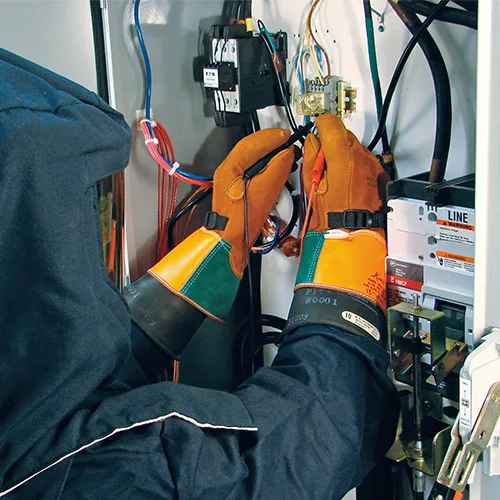
What We Provide
Our Capabilities
Acceptance and Maintenance Testing
NETA-style acceptance testing for new gear and periodic maintenance testing for existing switchgear, with documented results.
Learn moreInfrared Thermography
Thermal scanning under load finds loose connections and hot spots before they cause a failure or fire.
Learn moreBreaker and Relay Testing
We test circuit breakers and protective relays so they trip correctly and coordinate to isolate faults without nuisance trips.
Learn moreFind It Early
Catch Switchgear Problems Before They Trip Your Facility
Switchgear rarely fails without warning. Loose connections heat up, insulation degrades, and breakers drift out of calibration over time. Infrared scanning, insulation testing, and breaker testing surface these issues while they are still maintenance items, not outages.
Aligned with NFPA 70B, a regular testing program also supports electrical safety and keeps your arc flash study current.
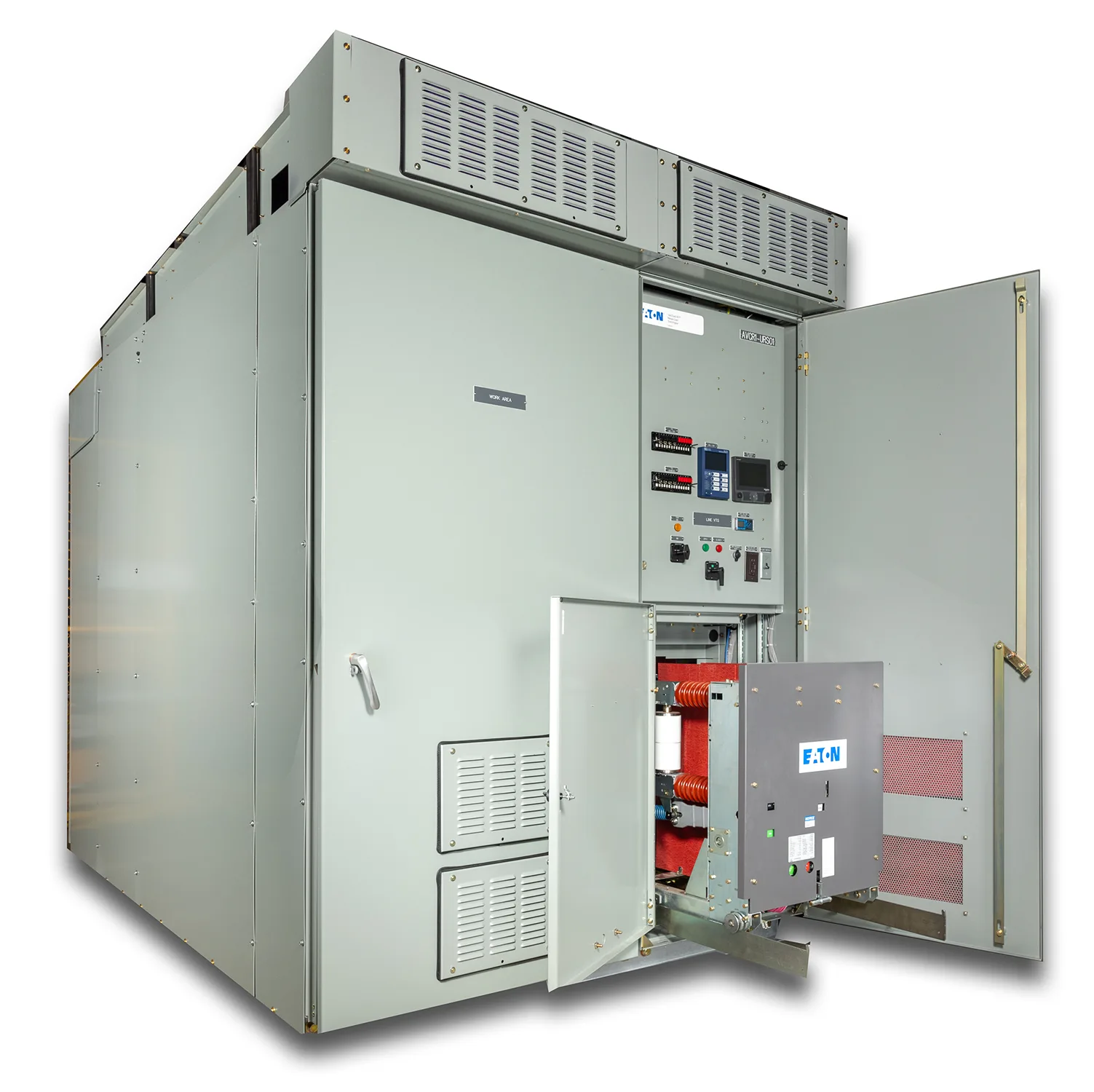
The Comp-Utility Difference
Why Comp-Utility?
Engineer-Owned and Operated
Comp-Utility is owned and operated by engineers, with licensed Texas Professional Engineers (P.E.) on staff. That rigor anchors every design, specification, and installation.
Trusted Since 1992
We have designed, installed, and maintained mission-critical power and cooling infrastructure across Central Texas since 1992, through every generation of the technology.
24/7 Emergency Response and Preventative Maintenance
Our technicians provide preventative maintenance programs and 24/7 emergency response, with rapid on-site dispatch across Central Texas when facilities need us most.
Turnkey, Single-Contract Partner
We sell, design, install, and maintain complete infrastructure end to end. One accountable team and one contract for power, cooling, distribution, and cabling.
Licensed, Certified & Recognized
We hold ourselves to the standards of the institutions we serve, from professional licensure and jobsite safety to the industry organizations that set the bar for mission-critical work.

Licensed Professional Engineers
State of Texas (TBPE)
OSHA 30 Certified
Field Technicians

AFCOM Member
Data center industry association

7x24 Exchange Member
Mission-critical infrastructure
Frequently Asked Questions
What does switchgear maintenance and testing include?
It includes visual and mechanical inspection, infrared thermography under load, insulation resistance testing, contact and connection torque checks, circuit breaker testing, and protective relay testing, with a documented report. Aligned with NFPA 70B and NETA practices, this work verifies the gear is safe and reliable and flags components that need correction before they fail.
What is NFPA 70B and how does it affect my facility?
NFPA 70B is the standard for electrical equipment maintenance. It establishes that electrical systems, including switchgear, should be maintained on a defined schedule based on condition and criticality. Following NFPA 70B reduces failures, supports safety, and is increasingly referenced by insurers and auditors. Comp-Utility builds a maintenance program that aligns with it.
What is infrared thermography and why is it important?
Infrared thermography uses a thermal camera to scan energized equipment for abnormal heat, which usually indicates loose connections, overloads, or failing components. Because it is done under load and without shutting down, it is a powerful predictive tool. Catching a hot connection early prevents the failure, downtime, or fire it would eventually cause.
How often should switchgear be tested?
Frequency depends on criticality, age, and environment, but infrared scanning is commonly performed annually and comprehensive maintenance testing on a three-to-five-year cycle, consistent with NFPA 70B and NETA guidance. Mission-critical facilities often scan more frequently. Comp-Utility recommends an interval based on your equipment and operating conditions.
What is the difference between NETA acceptance and maintenance testing?
Acceptance testing is performed on new or newly installed equipment to verify it was installed correctly and is ready for service. Maintenance testing is performed periodically on in-service equipment to track condition over time and catch degradation. Comp-Utility performs both, documenting results so you have a baseline and a trend for each asset.
Why does my breaker keep tripping or not reset?
Recurring trips can indicate an overload, a ground fault, a coordination problem, or a breaker that has degraded and needs testing or replacement. A breaker that will not reset may have an internal fault or be responding to a real downstream condition. We test the breaker and the circuit to find the root cause rather than simply forcing it closed.
Can you test switchgear without shutting down my facility?
Some tests, such as infrared thermography, are performed under load with no shutdown. Others, such as breaker and insulation testing, require de-energizing the section being tested. We plan the work around redundancy and maintenance bypass where available and schedule any required outages carefully to protect your critical load.
Do you maintain both low- and medium-voltage switchgear?
Yes. We maintain and test low-voltage switchgear and switchboards as well as medium-voltage switchgear used for campus and utility intake. As a vendor-agnostic provider we work across major manufacturers. We can also coordinate switchgear service with generator, ATS, and UPS maintenance under a single Central Texas contract.