Diesel vs Natural Gas Standby Generators
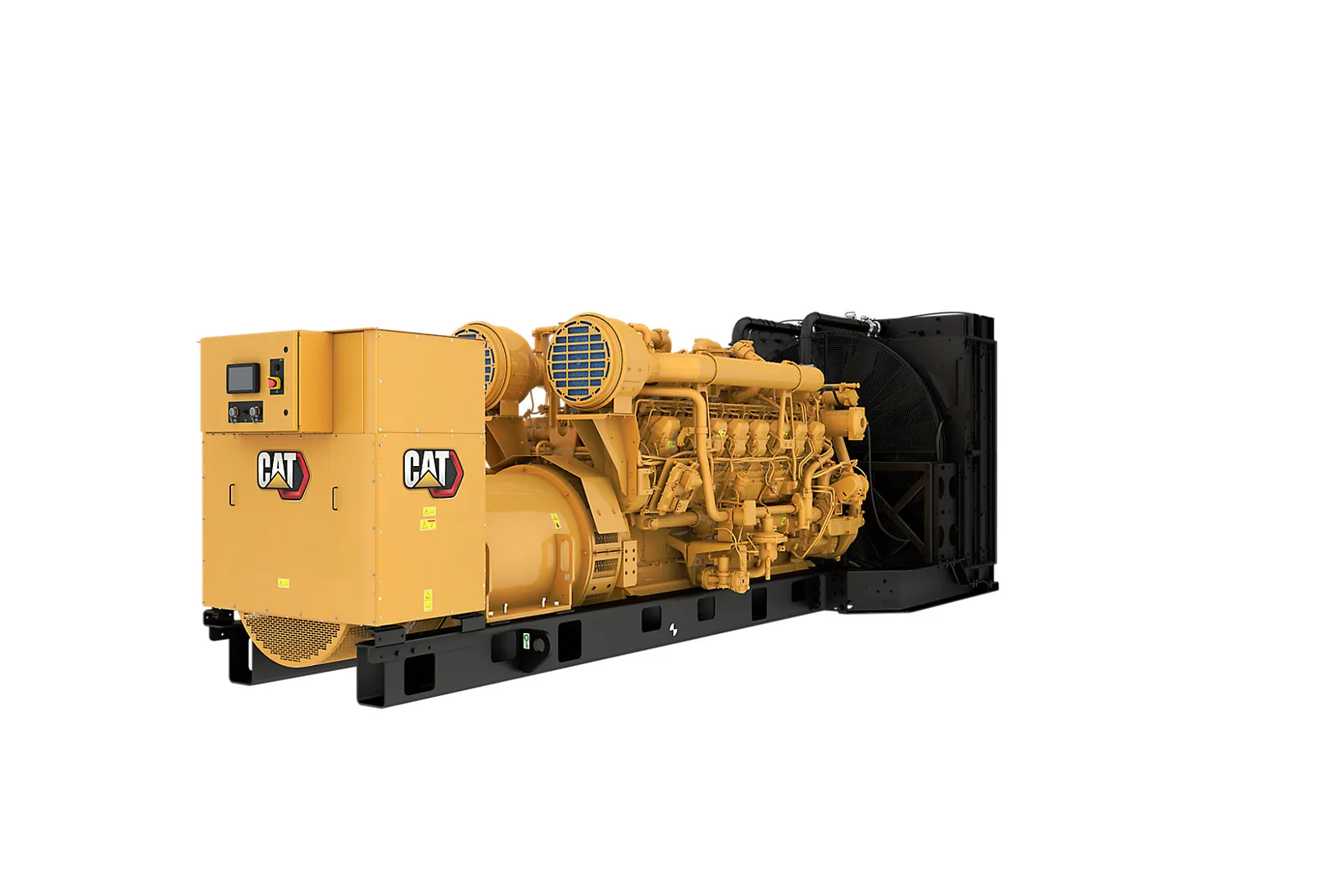
Diesel and natural gas are the two main standby generator fuels. Diesel offers fast starting, high power density, and on-site fuel storage that is independent of utilities, but requires fuel management and has higher emissions. Natural gas offers a continuous pipeline fuel supply with no on-site storage and lower emissions, but depends on the gas utility and is often less power-dense. Bi-fuel options combine both.
What We Provide
Related Solutions
Generator and ATS Service
We maintain and test diesel and natural gas generators and transfer equipment across all major brands.
Learn moreGenerator Sizing
We size standby generation to your load, fuel choice, and runtime, including bi-fuel where it fits.
Learn moreTransfer and Switchgear
We design the transfer scheme and paralleling so backup power comes online automatically.
Learn moreFuel Strategy Matters
Match Fuel to Runtime, Emissions, and Site Constraints
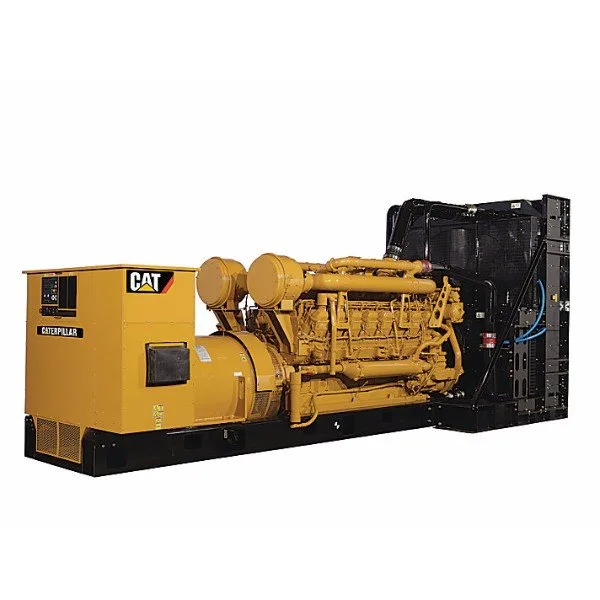
Diesel dominates data center standby because of its fast response, power density, and fuel independence, but natural gas is attractive where on-site fuel storage is restricted or long runtimes favor a pipeline supply, and where emissions matter.
Comp-Utility evaluates your runtime needs, emissions limits, and site constraints across Central Texas to recommend diesel, natural gas, or bi-fuel.
The Comp-Utility Difference
Why Comp-Utility?
Engineer-Owned and Operated
Comp-Utility is owned and operated by engineers, with licensed Texas Professional Engineers (P.E.) on staff. That rigor anchors every design, specification, and installation.
Long-Standing Distribution Partner
As a long-standing distribution partner of Eaton, Schneider Electric, and Vertiv, we specify best-in-class systems and back them with factory-grade service.
Trusted Since 1992
We have designed, installed, and maintained mission-critical power and cooling infrastructure across Central Texas since 1992, through every generation of the technology.
24/7 Emergency Response and Preventative Maintenance
Our technicians provide preventative maintenance programs and 24/7 emergency response, with rapid on-site dispatch across Central Texas when facilities need us most.
Licensed, Certified & Recognized
We hold ourselves to the standards of the institutions we serve, from professional licensure and jobsite safety to the industry organizations that set the bar for mission-critical work.

Licensed Professional Engineers
State of Texas (TBPE)
OSHA 30 Certified
Field Technicians

AFCOM Member
Data center industry association

7x24 Exchange Member
Mission-critical infrastructure
Frequently Asked Questions
What are the main differences between diesel and natural gas generators?
Diesel generators store fuel on-site, start quickly, and offer high power density, making them the standard for data center standby, but they require fuel management and produce higher emissions. Natural gas generators draw from a pipeline with no on-site storage and lower emissions, but depend on the gas utility and are often less power-dense and slower to accept large loads.
Why do most data centers use diesel generators?
Data centers favor diesel for its fast starting and load acceptance, high power density, and independence from utilities, since on-site fuel keeps the generator running even if pipelines or the grid are disrupted. These traits suit the rapid, reliable backup that mission-critical loads require, which is why diesel dominates large data center standby power.
When is natural gas the better choice?
Natural gas is attractive where on-site diesel storage is restricted by codes or space, where long-duration runtimes make a continuous pipeline supply valuable, or where lower emissions are a priority in urban or regulated settings. It avoids fuel storage and aging-fuel concerns. Comp-Utility weighs these factors against your reliability needs.
What is a bi-fuel generator?
A bi-fuel generator starts on diesel and blends in natural gas, combining diesel's fast response and reliability with gas's extended runtime and reduced on-site fuel consumption. It is useful for long-duration outages where diesel storage alone would be insufficient. Comp-Utility can specify bi-fuel systems where they fit the application.
How do emissions compare?
Natural gas generally produces lower emissions of certain pollutants than diesel, which can matter for permitting in urban or regulated areas. Modern diesel engines with appropriate after-treatment also meet strict standards. Comp-Utility considers local air-quality permitting in Texas when recommending fuel type and engine configuration.
Does fuel choice affect maintenance?
Yes. Diesel systems require fuel quality management, including testing and polishing to prevent degradation and contamination of stored fuel, plus regular exercising and load bank testing. Natural gas avoids fuel storage but still needs engine and controls maintenance. Comp-Utility tailors the maintenance program to the fuel type and how critical the load is.
Can you service both diesel and natural gas generators?
Yes. Comp-Utility services diesel, natural gas, and bi-fuel standby generators across major brands including Caterpillar, Cummins, Kohler, Generac, and MTU, throughout Central Texas. As a vendor-agnostic provider we maintain mixed fleets and provide load bank and transfer testing. Call (512) 346-0999 to arrange service.
How do I decide which fuel is right for my facility?
The decision balances required runtime, fuel availability and storage constraints, emissions and permitting, power density, and budget. There is no single right answer; it depends on your site. Comp-Utility's engineers assess these factors and recommend diesel, natural gas, or bi-fuel, then size and design the complete backup system.