Copper vs Fiber for Data Center Cabling
Copper and fiber each have a role in data center cabling. Copper (Cat6A and higher) is cost-effective for short horizontal runs and supports Power over Ethernet, handling up to 10G and beyond over limited distances. Fiber supports much higher speeds (40G, 100G, 400G and more) over longer distances with immunity to electromagnetic interference, making it the standard for the backbone and high-speed links. Most data centers use both.
What We Provide
Related Solutions
Cabling Design and Install
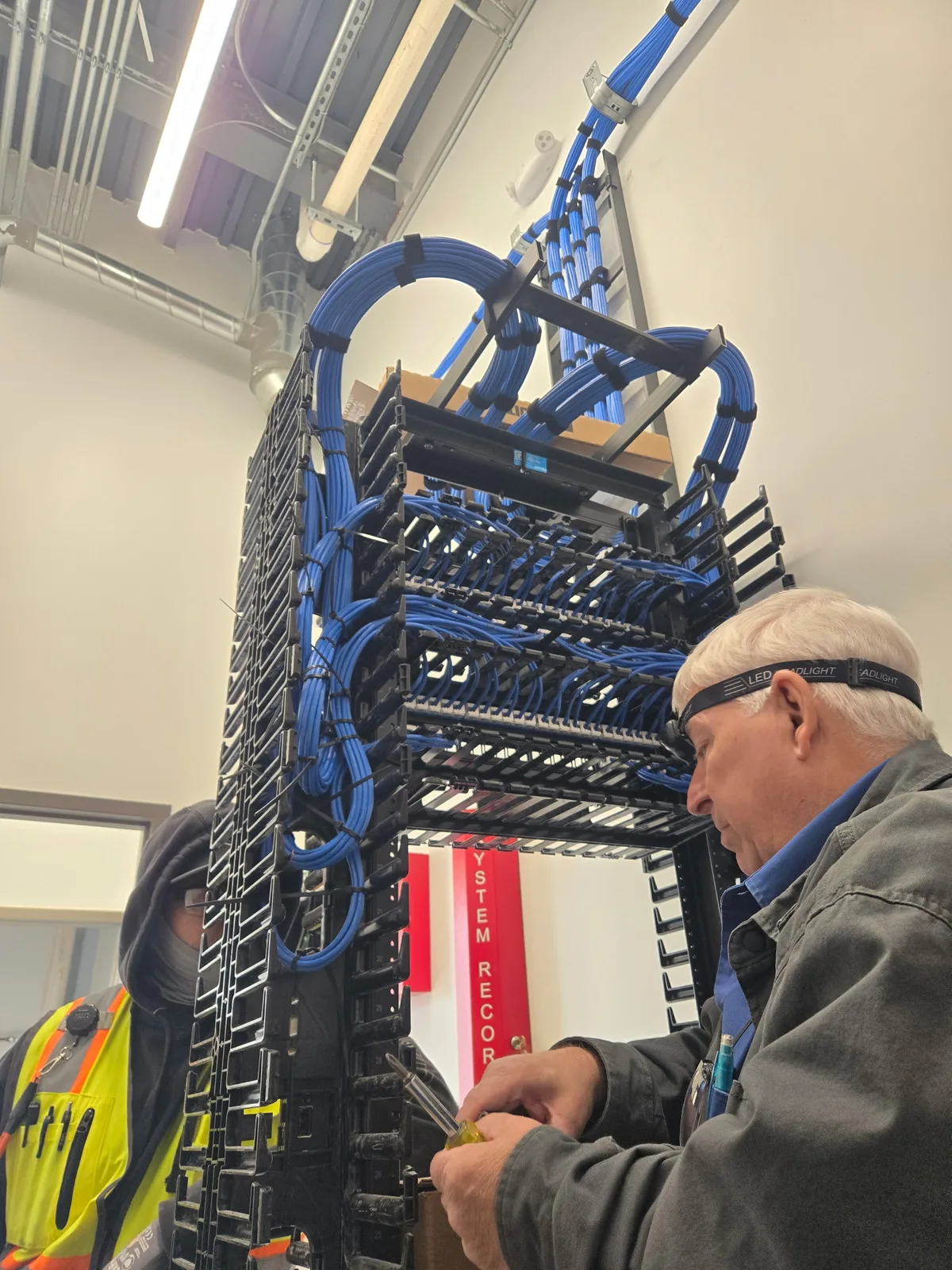
We design and install copper and fiber to TIA standards, balancing cost and performance for each run.
Learn moreFiber Backbone
We build single-mode and multi-mode fiber backbones and MPO/MTP trunks for high-speed links.
Learn moreTesting and Certification
We certify copper and fiber links and document the system for reliable, supportable performance.
Learn moreRight Media, Right Run
Use Copper and Fiber Where Each Wins
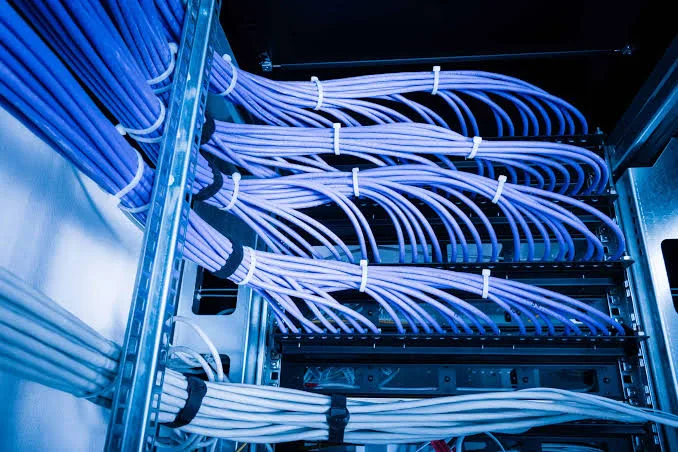
Fiber dominates the backbone and high-speed links for its bandwidth, distance, and interference immunity, while copper remains the practical choice for short horizontal runs and PoE-powered devices.
Comp-Utility designs the right blend, sizing the fiber backbone for future speeds and using copper where it is the better value, then certifies everything.
The Comp-Utility Difference
Why Comp-Utility?
Engineer-Owned and Operated
Comp-Utility is owned and operated by engineers, with licensed Texas Professional Engineers (P.E.) on staff. That rigor anchors every design, specification, and installation.
Long-Standing Distribution Partner
As a long-standing distribution partner of Eaton, Schneider Electric, and Vertiv, we specify best-in-class systems and back them with factory-grade service.
Trusted Since 1992
We have designed, installed, and maintained mission-critical power and cooling infrastructure across Central Texas since 1992, through every generation of the technology.
Turnkey, Single-Contract Partner
We sell, design, install, and maintain complete infrastructure end to end. One accountable team and one contract for power, cooling, distribution, and cabling.
Licensed, Certified & Recognized
We hold ourselves to the standards of the institutions we serve, from professional licensure and jobsite safety to the industry organizations that set the bar for mission-critical work.

Licensed Professional Engineers
State of Texas (TBPE)
OSHA 30 Certified
Field Technicians
AFCOM Member
Data center industry association
7x24 Exchange Member
Mission-critical infrastructure
Frequently Asked Questions
What is the main difference between copper and fiber cabling?
Copper carries electrical signals and is cost-effective for short runs and Power over Ethernet, while fiber carries light, supporting much higher speeds over longer distances with immunity to electromagnetic interference. Copper is limited in distance and bandwidth compared with fiber, but it is cheaper for short links and can deliver power to devices, which fiber cannot.
When should I use fiber instead of copper?
Use fiber for the data center backbone, for high-speed links (40G, 100G, 400G and beyond), for longer distances, and in environments with electromagnetic interference. Fiber's bandwidth and distance advantages make it the standard for connecting switches, rows, and buildings. Copper remains appropriate for short horizontal runs to equipment and PoE devices.
Is copper still relevant in modern data centers?
Yes. Cat6A and higher copper supports 10G over limited distances and is the practical, cost-effective choice for short horizontal runs and for powering devices via PoE, such as access points and cameras. Most data centers use a mix: fiber for the backbone and high-speed links, copper for short connections and powered devices.
What is the difference between single-mode and multi-mode fiber?
Single-mode fiber has a small core and carries light over long distances with very high bandwidth, suited to campus and long backbone links. Multi-mode fiber has a larger core, is lower cost for shorter distances, and is common within data centers (OM4/OM5). The choice depends on distance and speed. Comp-Utility specifies the right fiber type per link.
What speeds can copper and fiber support?
Cat6A copper supports 10G over its rated distance, with higher categories pushing further on short runs. Fiber supports 10G, 25G, 40G, 100G, 400G and beyond depending on type and transceivers, especially with MPO/MTP systems. Comp-Utility designs the media to your current speeds and future roadmap so the cabling does not limit the network.
What is MPO/MTP fiber?
MPO/MTP is a multi-fiber connector system that bundles many fibers into a single connector, enabling high-density, high-speed links and fast deployment with pre-terminated trunks. It is widely used for data center backbones and high-speed switch connections. Comp-Utility deploys pre-terminated MPO/MTP systems to speed installation and reduce field-termination risk.
Should I future-proof my cabling with fiber?
Investing in a robust fiber backbone is a common way to future-proof, since fiber supports rising speeds without recabling the backbone. Planning fiber counts and types for future growth avoids costly upgrades later. Comp-Utility sizes the fiber infrastructure for your roadmap while using copper where it remains the sensible, cost-effective choice.
Who designs and installs data center cabling in Central Texas?
Comp-Utility designs, installs, tests, and certifies copper and fiber data center cabling across Central Texas, to TIA-942 and ANSI/TIA-568 standards. Engineer-owned since 1992, we deliver documented, certified systems. Call (512) 346-0999 or email sales@comp-utility.com.