What Is Data Center Commissioning? (Levels 1 to 5)
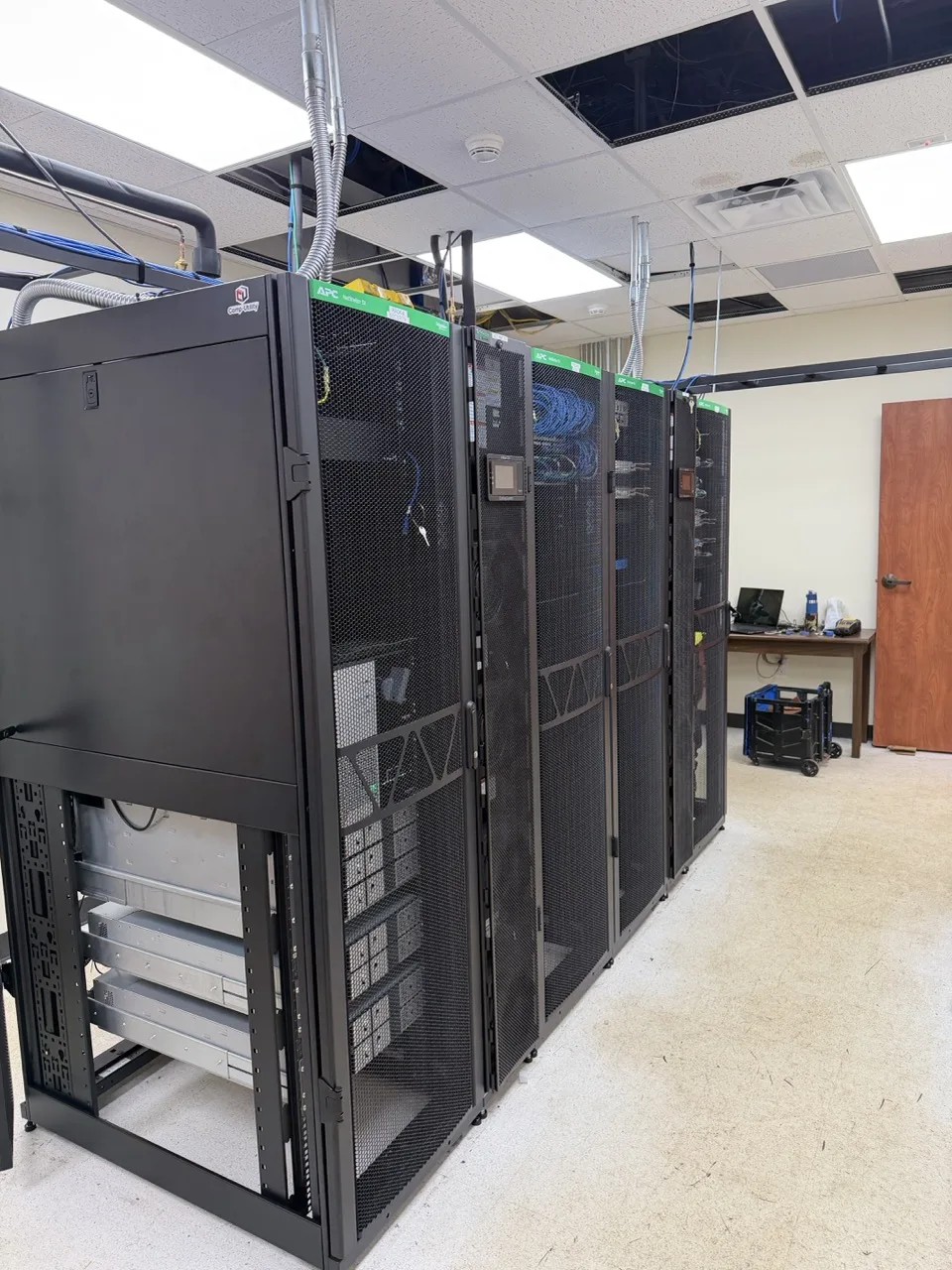
Data center commissioning is the structured process of verifying that power and cooling systems perform as designed before they carry critical load. It progresses through levels: factory testing (Level 1), component verification on site (Level 2), equipment startup (Level 3), functional performance testing of each system (Level 4), and integrated systems testing (Level 5) that exercises everything together, including failure scenarios. Commissioning catches problems while they are still safe to fix.
What We Provide
Related Solutions
Commissioning Services
We commission UPS, generators, switchgear, and cooling through functional and integrated systems testing.
Learn moreLoad Bank and Transfer Testing
We perform load bank testing and NFPA 110 transfer testing to prove capacity and automatic response.
Learn moreDesign and Build
As a design-build partner, we commission what we design and install for full continuity.
Learn moreProve It Before Go-Live
Integrated Systems Testing Is the Real Proof
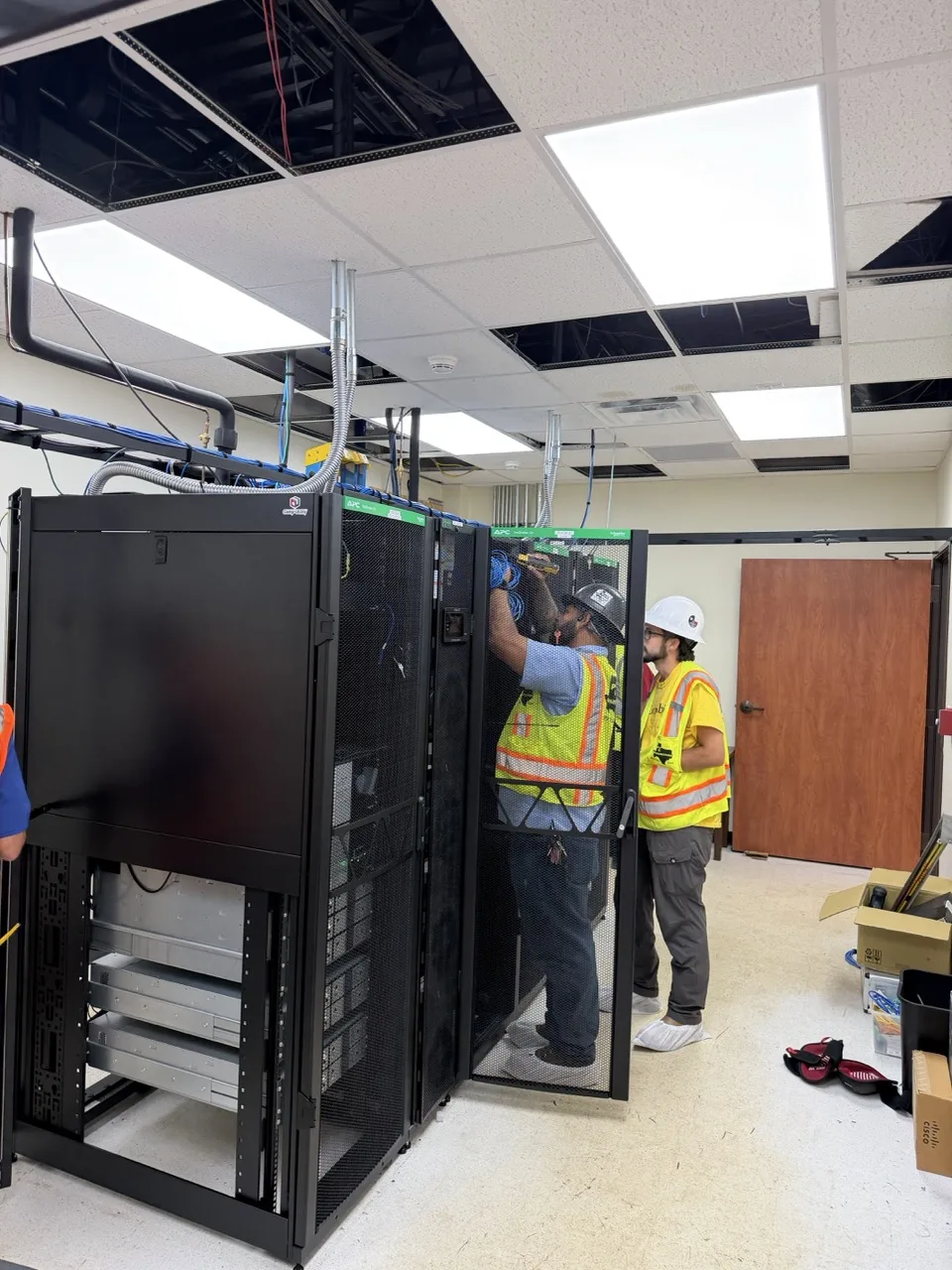
The most valuable commissioning step is integrated systems testing (Level 5), which simulates utility failure and other scenarios to confirm that UPS, generators, transfer switches, and cooling respond correctly as a coordinated whole.
Comp-Utility commissions through all levels and documents the results, so you know the facility will perform under real conditions, not just on paper.
The Comp-Utility Difference
Why Comp-Utility?
Engineer-Owned and Operated
Comp-Utility is owned and operated by engineers, with licensed Texas Professional Engineers (P.E.) on staff. That rigor anchors every design, specification, and installation.
Turnkey, Single-Contract Partner
We sell, design, install, and maintain complete infrastructure end to end. One accountable team and one contract for power, cooling, distribution, and cabling.
Trusted Since 1992
We have designed, installed, and maintained mission-critical power and cooling infrastructure across Central Texas since 1992, through every generation of the technology.
24/7 Emergency Response and Preventative Maintenance
Our technicians provide preventative maintenance programs and 24/7 emergency response, with rapid on-site dispatch across Central Texas when facilities need us most.
Licensed, Certified & Recognized
We hold ourselves to the standards of the institutions we serve, from professional licensure and jobsite safety to the industry organizations that set the bar for mission-critical work.

Licensed Professional Engineers
State of Texas (TBPE)
OSHA 30 Certified
Field Technicians
AFCOM Member
Data center industry association

7x24 Exchange Member
Mission-critical infrastructure
Frequently Asked Questions
What is data center commissioning?
Commissioning is the structured process of verifying that a data center's power and cooling systems are installed correctly and perform as designed before they support critical load. It progresses from factory and component testing through startup, functional testing, and integrated systems testing. Commissioning catches installation, configuration, and integration problems while they are still safe and inexpensive to fix.
What are the levels of commissioning?
Commissioning is commonly described in five levels: Level 1 factory acceptance testing, Level 2 site component verification, Level 3 equipment startup, Level 4 functional performance testing of each system, and Level 5 integrated systems testing of all systems together. Each level builds on the last, culminating in a full test of the integrated facility under simulated conditions.
What is integrated systems testing (Level 5)?
Integrated systems testing exercises the entire power and cooling system together, simulating utility failure and other scenarios to confirm that UPS, generators, transfer switches, and cooling respond correctly as a coordinated whole. It is the most thorough validation before go-live, proving that redundancy and automatic responses actually work end to end, not just individually.
Why is commissioning critical?
Commissioning verifies real performance under failure conditions before the facility carries load, catching errors that would otherwise surface as outages later. Inadequate commissioning is a leading cause of early-life data center failures. Rigorous commissioning provides confidence that the infrastructure will perform when it matters, and produces documentation for operations and warranty.
What is the difference between FAT and SAT?
Factory acceptance testing (FAT) verifies equipment at the manufacturer before shipment, while site acceptance testing (SAT) verifies it after installation at the facility. FAT catches issues early; SAT confirms the equipment was installed and integrated correctly on site. Both are part of a complete commissioning process, which Comp-Utility coordinates.
What is load bank testing in commissioning?
Load bank testing applies a controlled artificial load to UPS systems and generators during commissioning to verify they carry rated capacity and behave correctly under load, without depending on live IT equipment. It proves capacity and, for generators, exposes wet-stacking and load-acceptance issues. Comp-Utility performs load bank testing as part of commissioning.
Should the design-build firm also commission the facility?
Using the same firm for design, build, and commissioning improves continuity and accountability, since the team that engineered and installed the systems also proves them. Some owners add an independent commissioning agent for assurance. Comp-Utility can provide design-build with commissioning, delivering a coherent, accountable process from concept through go-live.
Who provides data center commissioning in Central Texas?
Comp-Utility provides data center commissioning across Central Texas, including functional and integrated systems testing, load bank testing, and NFPA 110 transfer testing, with documented results. Engineer-owned since 1992, we commission what we design and build. Call (512) 346-0999 or email sales@comp-utility.com.