BESS vs Diesel Generator for Backup Power
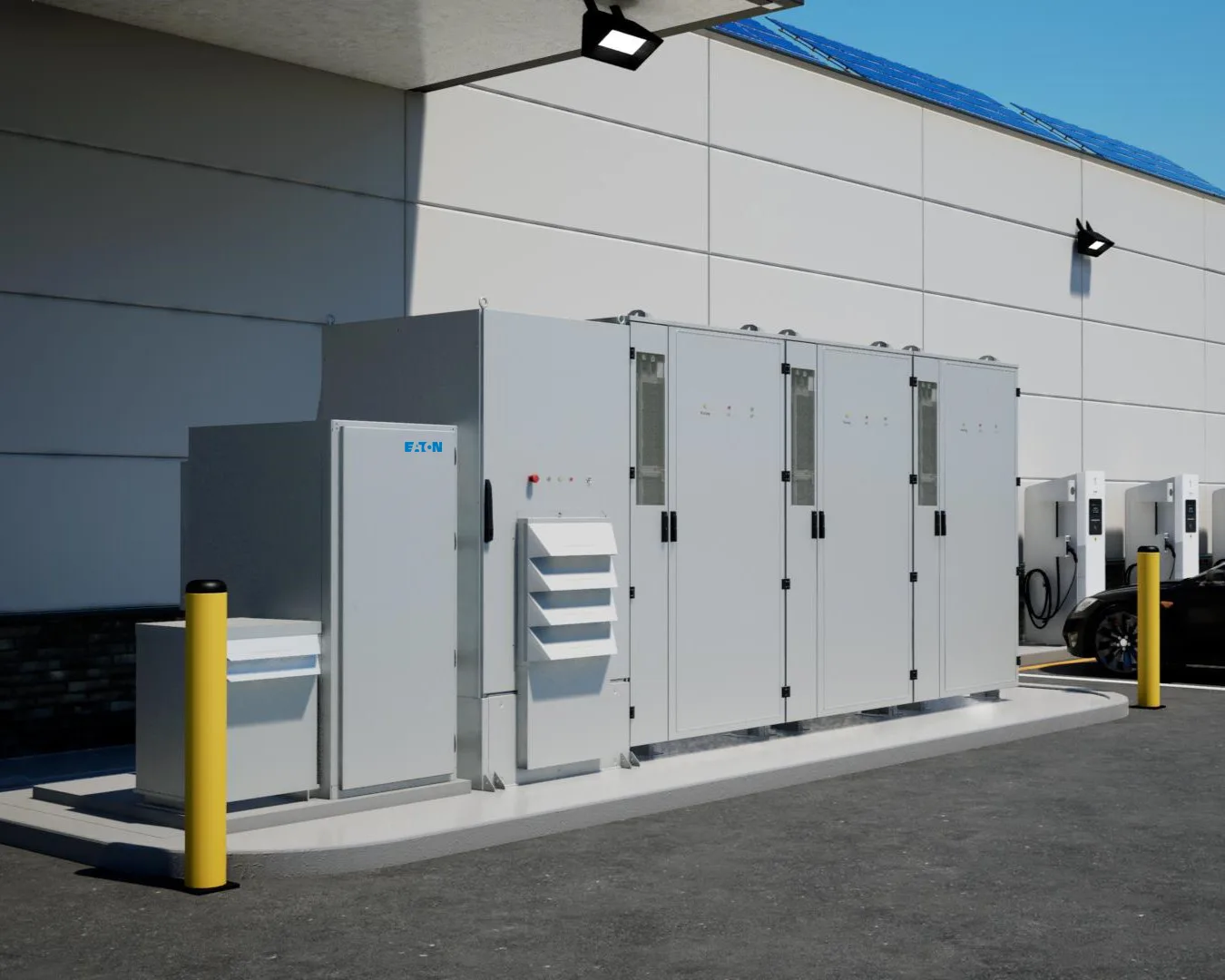
Battery energy storage systems (BESS) and diesel generators solve backup power differently. A BESS responds instantly, runs cleanly and quietly, and also enables peak shaving, but provides backup only for the duration of its stored energy. A diesel generator provides sustained runtime from fuel for long outages but starts in seconds rather than instantly and produces emissions. Many resilient designs combine both, with a UPS or BESS for instant ride-through and a generator for long-duration backup.
What We Provide
Related Solutions
BESS Design and Integration
We design battery energy storage for backup, peak shaving, and resilience, integrated with your power systems.
Learn moreGenerator and ATS Service
We size, install, and maintain standby generators and transfer equipment for sustained backup.
Learn moreHybrid Resilience Design
We design architectures that combine UPS, BESS, and generators to match your runtime and goals.
Learn moreDuration vs Instant
Match the Technology to How Long You Must Run
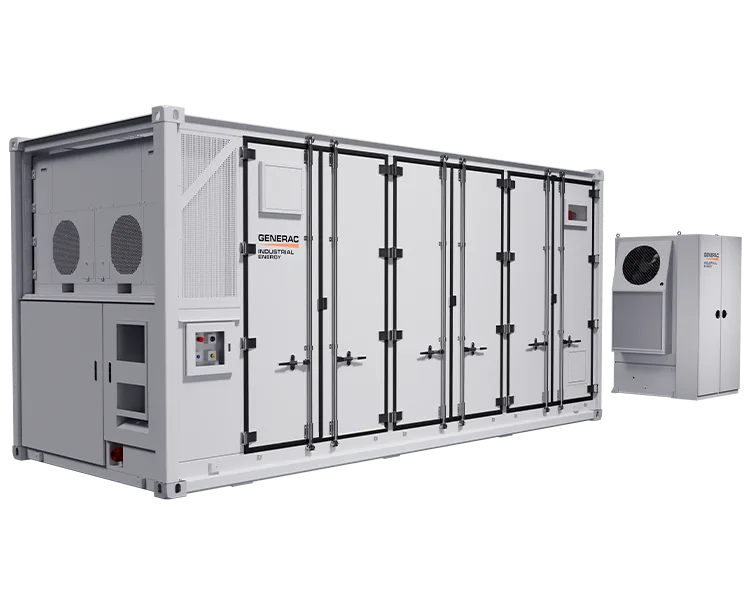
The core trade-off is duration versus instant clean response. A BESS delivers power the moment it is needed and supports peak shaving, but only for its stored energy. A generator sustains the load for as long as fuel lasts but is a combustion machine that starts in seconds.
Comp-Utility designs the resilient architecture, often a hybrid, that fits your outage durations, emissions goals, and budget.
The Comp-Utility Difference
Why Comp-Utility?
Engineer-Owned and Operated
Comp-Utility is owned and operated by engineers, with licensed Texas Professional Engineers (P.E.) on staff. That rigor anchors every design, specification, and installation.
Turnkey, Single-Contract Partner
We sell, design, install, and maintain complete infrastructure end to end. One accountable team and one contract for power, cooling, distribution, and cabling.
Trusted Since 1992
We have designed, installed, and maintained mission-critical power and cooling infrastructure across Central Texas since 1992, through every generation of the technology.
Long-Standing Distribution Partner
As a long-standing distribution partner of Eaton, Schneider Electric, and Vertiv, we specify best-in-class systems and back them with factory-grade service.
Licensed, Certified & Recognized
We hold ourselves to the standards of the institutions we serve, from professional licensure and jobsite safety to the industry organizations that set the bar for mission-critical work.

Licensed Professional Engineers
State of Texas (TBPE)
OSHA 30 Certified
Field Technicians

AFCOM Member
Data center industry association

7x24 Exchange Member
Mission-critical infrastructure
Frequently Asked Questions
What is the main difference between a BESS and a diesel generator?
A BESS stores a fixed amount of energy and discharges it instantly when needed, running cleanly and quietly, but only for as long as the stored energy lasts. A diesel generator burns fuel to produce power for extended periods, providing sustained runtime for long outages, but it starts in seconds rather than instantly and produces emissions and noise.
Can a BESS replace a diesel generator?
A BESS can replace a generator only if its stored energy covers the longest outage you must ride through, which is often impractical for long utility outages. For short outages or bridging, a BESS can suffice; for extended outages, generators provide sustained fuel-based runtime. Comp-Utility evaluates your outage profile to determine whether BESS alone is viable.
What are the advantages of a BESS for backup?
A BESS responds instantly with no start delay, runs cleanly and quietly with no on-site combustion, requires less maintenance than an engine, and can do double duty for peak shaving and demand-charge reduction when not needed for backup. These benefits make it attractive where emissions, noise, and demand management matter, within its energy-duration limits.
What are the advantages of a diesel generator?
A diesel generator provides sustained runtime limited only by fuel, high power density, fast starting (seconds), and independence from the grid and pipelines via on-site fuel. These traits make it the standard for long-duration backup in mission-critical facilities. The trade-offs are emissions, noise, fuel management, and maintenance of a combustion engine.
Should I use a BESS and a generator together?
Often, yes. A common resilient design uses a UPS or BESS for instantaneous, clean ride-through and peak management, with a generator for long-duration backup, combining instant response, clean operation, and sustained runtime. Comp-Utility designs hybrid architectures that coordinate UPS, BESS, and generators to meet both instant and long-duration needs.
How do emissions and permitting compare?
A BESS produces no on-site combustion emissions during operation, which can ease permitting and support sustainability goals, while diesel generators produce emissions that may require permitting and after-treatment in Central Texas. Natural gas and bi-fuel generators reduce some emissions versus diesel. Comp-Utility weighs emissions and permitting alongside runtime when recommending an approach.
How do cost considerations compare?
BESS and generators have different capital and operating profiles: generators have fuel and engine-maintenance costs, while a BESS has battery replacement over time but can offset cost through peak shaving and demand-charge savings. We explain cost drivers in general terms and model lifecycle value (we do not publish prices). Comp-Utility helps compare the options for your facility.
Who can design the right backup strategy in Central Texas?
Comp-Utility designs resilient backup power across Central Texas, evaluating BESS, diesel and gas generators, and hybrid architectures against your outage durations, emissions goals, and budget, then engineering and installing the solution. Engineer-owned since 1992. Call (512) 346-0999 or email sales@comp-utility.com.